
Why Clair Obscur: Expedition 33 Became 2026’s Surprise RPG Sensation
How bold combat, theatrical performances, and word-of-mouth hype turned a surreal French RPG into one of the year’s most talked‑about hits.
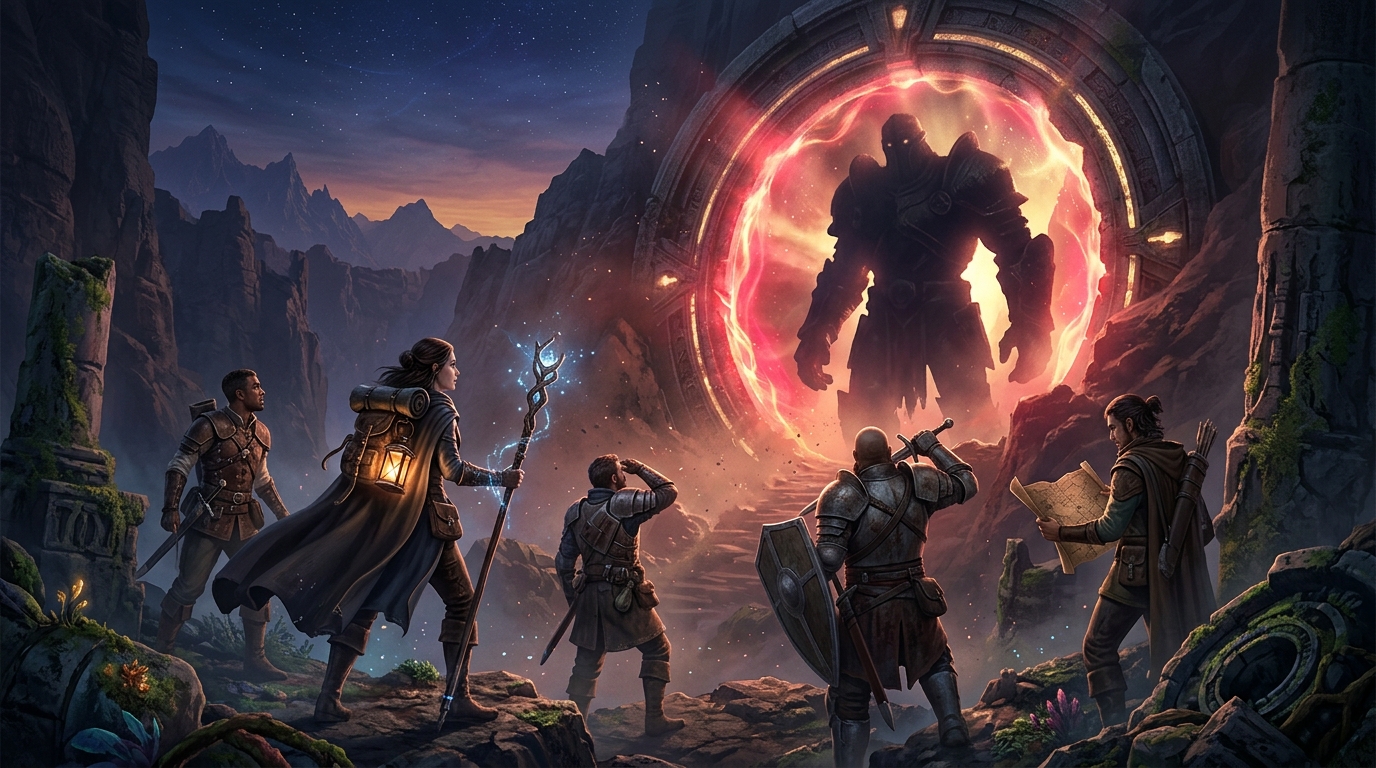
Clair Obscur: Expedition 33 is one of those rare releases that seemed to come out of nowhere and then suddenly was everywhere. Screenshots of its Parisian dreamscape, rave impressions about its combat, and clips of its emotionally charged performances spread across social media long before launch week was over. For many players, it felt like the next big conversation piece after Baldur’s Gate 3, and that comparison isn’t accidental.
Coverage of the game has highlighted how one of Baldur’s Gate 3’s performance and motion capture leads publicly predicted the game would blow up well before release and even made a playful bet on its success. That confidence wasn’t just friendly support for another studio; it was a sign that people who deeply understand storytelling, performances, and RPG design could see something special forming.
This article explores why Clair Obscur: Expedition 33 resonated so strongly, how its performances and systems echo lessons from Baldur’s Gate 3, and what its success might signal for the future of narrative-heavy RPGs.
From Niche Curiosity to Breakout Hit
Before launch, Clair Obscur: Expedition 33 sat in an odd space: visually striking, clearly ambitious, yet carrying the usual doubts that surround new IP from relatively small teams. Industry veterans often caution against assuming a stylish first impression will translate to mass-market success. That’s why the quiet confidence from people close to the RPG world caught attention.
Several factors helped transform the game from an intriguing trailer to a genuine success story:
- Distinct visual identity: A surreal, painterly world inspired by French art and architecture set it apart from typical fantasy settings.
- Turn-based combat with real-time flair: A battle system that feels like a hybrid between classic JRPGs and action games gave it a unique rhythm.
- Strong word of mouth: Early players amplified the message that this wasn’t just a stylish facade; the game had mechanical and emotional depth.
- Performances that land: The combination of motion capture and voice acting created characters that feel fully inhabited rather than merely written.
The arc mirrors the trajectory of several modern RPG successes. When Baldur’s Gate 3 left Early Access and surged in popularity, developers at Larian emphasized that player recommendations were crucial to its growth, especially on PC-heavy platforms like Steam, where user reviews and community engagement strongly shape visibility.1 Clair Obscur likewise benefited from a groundswell of recommendations that made it feel like the “must-try” story RPG of the moment.
What RPG Veterans Saw in Clair Obscur Early On
The confident prediction from a Baldur’s Gate 3 performance director that Clair Obscur would be a commercial success wasn’t just a gamble on vibes. People who spend years crafting performances for narrative games tend to recognize when a project is aligning its creative disciplines in a coherent, compelling way.
From a craft perspective, Clair Obscur signaled several promising qualities even in early showcases:
- Cohesive art direction: Character designs, UI, and environmental storytelling all pointed toward a unified aesthetic vision.
- Mechanics supporting themes: Combat and character abilities intertwined with the game’s ideas about fate, cycles, and resistance, suggesting more than a bolt-on battle system.
- Emotional performance beats: Even brief clips contained expressive body language and vocal nuance that hinted at deeper character arcs.
These are the same elements that helped Baldur’s Gate 3 stand out: a sense that narrative, systems, and performances were being developed in concert rather than in isolation. Larian has spoken about how their cinematic pipeline involved tight collaboration between writers, animators, and actors to ensure performances aligned with player choice and systemic outcomes.2 When another project shows similar alignment, it’s not surprising that people who worked on BG3 can sense its potential.
Combat That Feels Both Old-School and New
Clair Obscur: Expedition 33’s combat is one of its biggest talking points. It borrows the tactical clarity of classic turn-based systems while layering on timing-based mechanics and a dynamic camera that make each encounter feel staged and dramatic. This hybrid approach taps into several trends in contemporary RPG design:
- Turn-based clarity: Players can plan turns carefully, evaluate enemy intentions, and understand cause and effect—key strengths of systems like Dungeons & Dragons 5th Edition that underpins Baldur’s Gate 3.3
- Real-time engagement: Timed blocks, dodge windows, or attack prompts add a reflexive layer that keeps battles feeling kinetic.
- Visual staging: Camera sweeps and environmental framing underscore big moments, making routine encounters feel like choreographed scenes.
| Design Element | Classic Turn-Based Influence | Modern/Action Influence |
|---|---|---|
| Decision structure | Sequential turns, clear options per character | Emphasis on momentum, combo-like skill chains |
| Player input | Menu selections, resource management | Timing-based guards, contextual button prompts |
| Presentation | Readable battlefields, traditional targeting | Cinematic camera, dramatic angle shifts on big hits |
| Pacing | Time to think between actions | Short bursts of real-time tension inside turns |
This blend appeals both to players nostalgic for classic JRPGs and those more accustomed to action-heavy RPGs. It reflects a broader industry shift toward hybrid systems, where combat is designed as much for readability and expression as for raw mechanical difficulty.
Performances as the New Differentiator
One of the clearest throughlines from Baldur’s Gate 3 to Clair Obscur is the recognition that performance capture and voice acting have become central to how modern RPGs are judged. Where older games could lean heavily on text, contemporary cinematic RPGs live or die by how believable their characters feel.
BG3’s success showed how much players respond to:
- Continuous performance: Characters who maintain consistent physicality and vocal tone across hundreds of lines and permutations.
- Subtle reactions: Microexpressions, posture changes, and pauses conveying as much as spoken lines.
- Player-responsive acting: Performances that flex around different choices without feeling disjointed.
Clair Obscur picks up that baton. Casting well-known performers from other RPGs, using full-body motion capture, and integrating performances tightly with the game’s surreal setting helps the world feel inhabited rather than merely illustrated. This mirrors a broader industry push: Epic Games, for example, has heavily promoted accessible performance capture tools within Unreal Engine to lower the barrier for smaller teams to build performance-driven games.4
For players, this means the line between “indie sensibility” and “AAA-level performance” is blurring. Clair Obscur’s cast doesn’t just read lines; they embody a theatrical, heightened style that matches the dreamlike world, creating a distinctive tonal identity.
A Surreal French Setting That Actually Matters
Striking settings are nothing new in RPGs, but Clair Obscur’s version of a twisted, dream-drenched France does more than provide wallpaper. Its interpretation of Parisian architecture, fashion, and cultural motifs reinforces the game’s themes of cycles, ritual, and resistance.
This approach aligns with a growing emphasis in game studies on place as narrative: the idea that environments convey themes and story as powerfully as dialogue. Research on environmental storytelling has highlighted how spatial design and visual motifs can communicate social structures, historical trauma, or political commentary without explicit exposition.5 Clair Obscur leans into this by:
- Using recurring visual symbols to hint at the world’s cyclical curse.
- Contrasting ornate, decaying architecture with the desperation of its inhabitants.
- Blending the familiar and the fantastical so that players feel both grounded and unsettled.
By making the setting thematically active, the game gives its narrative and performances a powerful stage. It also distinguishes itself from the high fantasy or sci-fi norm, tapping into cultural spaces games rarely explore at this scale.
Lessons Learned from Baldur’s Gate 3’s Triumph
Whenever a new story-driven RPG takes off, comparisons with Baldur’s Gate 3 are inevitable. But rather than simply chasing BG3’s exact structure, Clair Obscur seems to have absorbed more abstract lessons:
- Invest heavily in characters: Players will tolerate some rough edges if they genuinely care about the cast.
- Make systems serve story: Combat, progression, and exploration feel more satisfying when they reinforce narrative stakes.
- Allow for expressive play: Even if Clair Obscur isn’t as radically reactive as a full CRPG, it offers enough mechanical expression for players to feel ownership over their approach.
BG3’s development showcased the advantages of long-term iteration with a community. Larian’s Early Access phase allowed them to refine encounter design, narrative pacing, and performance integration based on real player behavior and feedback.1 While Clair Obscur followed a different production path, its readiness at launch suggests a similar respect for polish, testing, and iteration—rare luxuries for smaller-scale projects.
Why Players Gravitate Toward These Narrative-Heavy RPGs
The rise of games like Baldur’s Gate 3 and Clair Obscur: Expedition 33 isn’t happening in isolation. Player appetite for deep, narrative-heavy experiences has been steadily climbing, even as shorter and more casual formats flourish. Several factors explain this appetite:
- Longer engagement windows: Many players treat these games like TV shows or novels, returning over multiple weeks.
- Community discussion: Complex stories generate theories, fan art, and debates that extend the life of the game.
- Perceived value: Substantial campaign lengths and replayable choices make these games feel like good investments.
Market analyses from sources like the Entertainment Software Association have consistently shown RPGs retaining strong popularity, especially among players who value story and character development.6 Clair Obscur enters this landscape not as a genre outlier but as part of a broader shift toward games that ask for, and reward, sustained attention.
What Clair Obscur’s Success Means for Future RPGs
When a new IP in a relatively niche subgenre takes off, it tends to influence what gets greenlit next. Clair Obscur’s reception sends several signals to publishers and developers:
- Stylized settings can sell: Games aren’t limited to generic fantasy; culturally specific, surreal worlds can resonate widely.
- Turn-based isn’t “obsolete”: Thoughtful, well-presented turn-based combat still has a hungry audience, especially when modernized with timing or cinematic flair.
- Performance capture is an expectation, not a luxury: Player response suggests that strong acting and animation are becoming baseline expectations for cinematic RPGs.
- Cross-pollination of talent matters: Actors, directors, and designers moving between projects bring best practices that can lift newer studios.
For players, the upside is clear: success stories like Clair Obscur make it easier for similarly ambitious, slightly off-center RPGs to exist. For developers, the bar is rising—not just in graphical fidelity, but in the integration of performance, systems, and storytelling.
FAQs: Clair Obscur, Baldur’s Gate 3, and the New Wave of RPGs
Is Clair Obscur: Expedition 33 similar to Baldur’s Gate 3?
The two games share some DNA—deep narrative focus, strong character performances, and turn-based combat—but they occupy distinct spaces. Baldur’s Gate 3 is a sprawling, choice-driven CRPG rooted in Dungeons & Dragons rules, while Clair Obscur leans more toward a tightly scripted, theatrical adventure with a surreal French setting and a hybrid JRPG-style combat system.
Why are performance and motion capture such a big deal for modern RPGs?
As games have become more cinematic, players expect characters to move and emote with the nuance of film or TV. Performance capture—recording body movement, facial expressions, and voice together—helps align animation and acting. Studios like Larian have credited this approach for making characters in Baldur’s Gate 3 feel more believable and reactive.2 Clair Obscur builds on this trend, using expressive performances to anchor its surreal world.
Does turn-based combat still appeal to a broad audience?
Yes. While real-time action remains hugely popular, well-designed turn-based systems continue to draw dedicated audiences, especially in RPGs. Dungeons & Dragons’ ongoing popularity3 and the success of games like Baldur’s Gate 3 demonstrate that players appreciate the strategic depth and clarity turn-based combat offers. Clair Obscur modernizes this with timing-based elements and cinematic presentation, broadening its appeal.
What makes Clair Obscur’s setting stand out?
Instead of defaulting to generic medieval fantasy or standard sci-fi, Clair Obscur uses a surreal, dreamlike version of France. Its architecture, fashion, and visual symbols aren’t just aesthetic; they reinforce themes of cycles, ritual, and resistance. Research on environmental storytelling suggests such cohesive world design can significantly enhance narrative impact.5
Will Clair Obscur’s success change how future RPGs are made?
It’s unlikely to reshape the industry overnight, but it strengthens a pattern: there is room in the market for ambitious, performance-driven RPGs that take risks with setting and combat design. Publishers may be more willing to back similarly stylized, narrative-heavy projects, and smaller teams can point to Clair Obscur as evidence that strong art direction, thoughtful systems, and good performances can break through the noise.
References
- Steam & Baldur’s Gate 3: A match made in the Nine Hells — Valve / Steam (data feature on BG3’s launch performance). 2023-09-22. https://store.steampowered.com/news/app/1086940/view/3720561492861706223
- Crafting the Cinematic Experience of Baldur’s Gate 3 — GDC (Larian Studios session). 2024-03-22. https://gdconf.com/news/crafting-cinematic-experience-baldurs-gate-3
- Basic Rules (5e) — Wizards of the Coast (Dungeons & Dragons official rules reference). 2018-08-15 (current digital ruleset, foundational for later material). https://dnd.wizards.com/resources/basic-rules
- MetaHuman Animator and the future of digital performance — Epic Games. 2023-05-24. https://www.unrealengine.com/en-US/blog/metahuman-animator-and-the-future-of-digital-performance
- Environmental Storytelling: What It Is and How to Do It — Game Developer (formerly Gamasutra). 2010-03-01 (foundational article on environmental storytelling widely cited in game studies). https://www.gamedeveloper.com/design/environmental-storytelling-what-it-is-and-how-to-do-it
- 2023 Essential Facts About the Video Game Industry — Entertainment Software Association. 2023-07-01. https://www.theesa.com/resource/2023-essential-facts-about-the-video-game-industry/
Similar Articles






Read full bio of medha deb