Crimson Desert Roadmap: Boss Rematches, Difficulty & More
A deep dive into Crimson Desert’s three‑month roadmap, from brutal boss rematches to smarter storage, new pets, and visual upgrades.
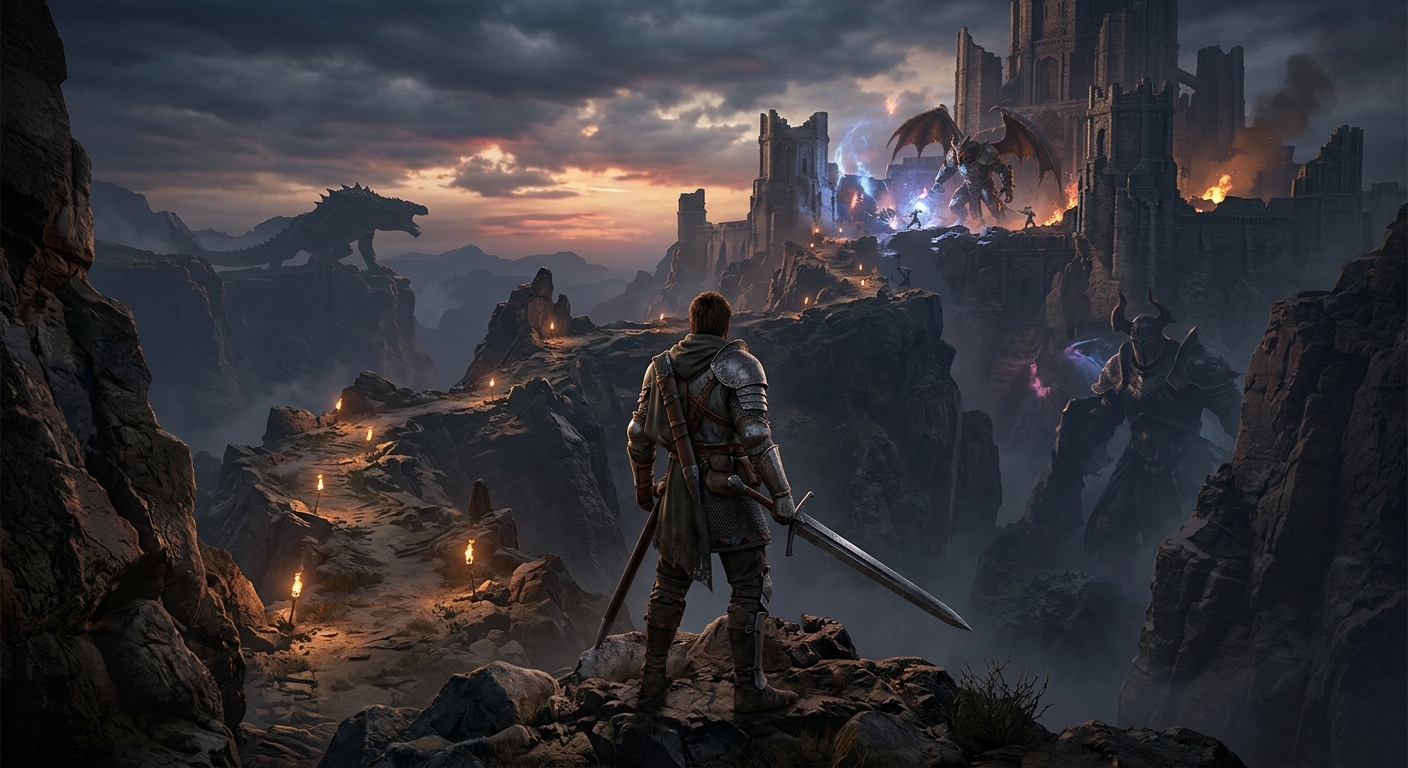
Crimson Desert has barely settled into players’ hands, and Pearl Abyss is already mapping out a dense schedule of updates for the next few months. The studio has shared a roadmap focusing on combat challenges, difficulty options, character upgrades, storage systems, mounts, pets, controls, UI, and visual polish. Together, these additions are aimed at keeping veterans challenged while smoothing the experience for new Greymanes exploring Pywel for the first time.
This article breaks down every major pillar of the roadmap, explains why each feature matters, and offers practical context for what it means for everyday play.
An Overview of the Three‑Month Update Plan
Pearl Abyss’ roadmap outlines a steady cadence of patches that will roll out over roughly three months. Instead of one massive overhaul, players can expect multiple incremental updates, each targeting different aspects of the game.
- Combat & challenge: Boss rematches, re-blockaded zones, and difficulty settings.
- Character improvements: New skills for key companions, cosmetic controls, and outfits.
- Life and storage systems: Dedicated storages for food, gear, crafting materials, and collectibles.
- World engagement: New mounts, additional pets, and mount gear.
- System upgrades: Expanded UI customization, control remapping, and enhanced distant scenery.
While the team has not locked in specific dates for each feature, the goal is to keep players constantly discovering new systems or activities from April through June.
New Ways to Fight: Boss Rematches and Re‑Blockading
Combat is a central part of Crimson Desert’s appeal, and the roadmap’s most eye‑catching updates all focus on giving players more reasons to swing their blades.
Boss Rematches: Testing How Far You Have Come
One of the biggest requests from action RPG fans is a way to replay boss encounters without starting a fresh run. Pearl Abyss is responding by letting players rematch bosses they’ve already defeated. This feature is designed for:
- Practice and mastery: Learn boss patterns and refine your approach without the pressure of a one‑time story encounter.
- Build testing: Try new skill combinations or gear setups against familiar foes.
- Pure spectacle: Revisit favorite set‑piece fights for the thrill of it.
Although exact access points haven’t been fully detailed, the intent is to make these rematches readily available, not hidden behind obscure side systems. This mirrors broader action‑RPG trends, where developers increasingly provide repeatable boss content so players can experiment without restarting the entire game.
Re‑Blockading: Letting the World Bite Back
The roadmap also mentions a “re‑blockading” system, where enemy forces can reclaim previously liberated locations. Mechanically, this adds a layer of dynamism to the world:
- Recurring threats: Areas you’ve cleared may come under enemy control again.
- Ongoing incentives: Returning to those zones can yield new encounters, loot, and challenges.
- World tension: The map never feels permanently “solved,” helping long‑term players feel like Pywel is alive.
Dynamic territorial systems like this are increasingly used in open‑world games to combat late‑game emptiness and keep players engaged after the main story arc. They offer a form of light endgame content that sits between scripted quests and full‑blown live‑service activities.
Difficulty Options: Easy, Normal, and Hard
The addition of formal difficulty settings is one of the most player‑impacting changes on the roadmap. Pearl Abyss plans to introduce a three‑tier system—Easy, Normal, and Hard—so players can calibrate the experience to their preferred level of challenge.
Why Difficulty Options Matter
Modern game design increasingly recognizes the importance of flexible difficulty as an accessibility and inclusivity tool. The Game Accessibility Guidelines project notes that offering adjustable difficulty and assist options is one of the most straightforward ways to welcome a wider range of players, including those with motor, cognitive, or time‑related constraints.1 Crimson Desert’s update directly supports this philosophy.
| Mode | Target Player Type | Likely Characteristics |
|---|---|---|
| Easy | Story‑first players, newcomers, or those seeking a relaxed experience | Lower enemy damage and aggression, more forgiving resource use |
| Normal | Baseline experience for most players | Original tuning, balanced around intended game pace |
| Hard | Veterans seeking higher stakes and more complex fights | Stronger or more aggressive enemies; bosses may gain new patterns |
How Difficulty Enhances Replay Value
Difficulty selection doesn’t just lower or raise numbers; it opens new ways to experience the same content:
- First‑time runs: Players struggling with certain bosses can shift to Easy to keep the story moving.
- Second playthroughs: Experienced players can revisit the campaign on Hard with boss rematches for extra depth.
- Experimentation: Adjustable difficulty lets players swap modes as their skills or preferences change.
As with many contemporary games, you’ll be able to change the difficulty during a run, giving players real control over how stressful or relaxed their journey across Pywel feels.
Skill and Style: Character Upgrades and Visual Options
Crimson Desert is as much about the heroes you travel with as the enemies you face. The roadmap includes several tweaks aimed at making party members and cosmetic options more satisfying.
New Skills for Companions
Two notable companions, Damiane and Oongka, are slated to receive new abilities designed to bring them closer in power and impact to Kliff’s standout skills. According to Pearl Abyss’ patch notes, these additions are intended to address community feedback that certain allies felt less useful in combat.2 The benefits include:
- More active party roles: Companions should feel like powerful allies in boss fights, not just background support.
- Build diversity: Players can lean into synergies between Kliff’s arsenal and new companion skills.
- Improved boss rematches: Enhanced companion movesets make repeat encounters more varied and tactical.
Hide Back Weapons and New Outfits
On the cosmetic front, players will gain the option to hide weapons equipped on their characters’ backs. Many role‑players have long requested this sort of toggle in RPGs to avoid immersion‑breaking clutter in cutscenes and exploration. The update will:
- Allow certain weapons and equipment to be visually hidden without affecting stats.
- Make armor silhouettes cleaner for screenshots and role‑playing.
Alongside this, the game will receive new outfits and a change that makes some previously non‑wearable, sell‑or‑donate‑only gear actually wearable. For fashion‑focused players, this substantially increases wardrobe variety without forcing them into the cash shop.
Living Better in Pywel: New Storage Systems & Life Features
Inventory management is often one of the most time‑consuming parts of open‑world RPGs. Pearl Abyss is introducing several specialized storage categories to reduce friction and make crafting, cooking, and collecting feel less like busywork.
Dedicated Storages Explained
According to the official patch notes, four distinct storage types are being rolled out to organize key item classes more effectively.2
- Food Storage: Houses cooking ingredients and lets you draw directly from storage while preparing meals.
- Wardrobe Storage: Stores apparel items like headgear, armor, gloves, footwear, and cloaks.
- Gatherable Storage: Handles materials for tempering and crafting, such as ores, stones, and various resources.
- Collection Storage: Reserved for quest items, recipes, and other key collectibles linked to progression and exploration.
Why Storage Quality‑of‑Life Matters
Anyone who has spent hours rearranging inventory slots knows that smart storage design can dramatically improve an RPG’s pacing. Research on player experience in complex games suggests that reducing “cognitive overhead” from repetitive tasks can increase satisfaction and long‑term engagement.3 By separating functional categories of items and letting you pull resources directly from storage for crafting or cooking, the roadmap aims to:
- Cut down on constant inventory shuffling.
- Make crafting and cooking sessions quicker to set up.
- Help players keep quest‑critical items safe and easy to find.
Mounts, Pets, and Companions: Making Travel More Fun
The upcoming updates also expand the game’s mount and pet ecosystem. Over the next few months, players can expect:
- More summonable mounts: Additional creatures to ride, offering variety in appearance and potentially performance.
- New pets: Extra companions that follow you, provide utility, or simply add personality to your travels.
- Dedicated mount armor: New tack sets for more than just horses, allowing a broader range of mounts to be visually customized and protected.
Mounts and pets are often central to player identity and monetization in online‑adjacent RPGs. Expanding their variety early in the game’s life helps maintain interest among players who care as much about their character’s look and entourage as raw stats.
System & UI Improvements: Seeing and Controlling More Clearly
A major portion of the roadmap deals with comfort features—font settings, UI clarity, and control customization. While these changes are less flashy than boss rematches, they often have a greater impact on daily enjoyment.
Adjustable UI Font Size and Interface Tweaks
The game will add a minimum font size option so players can enlarge text across the interface. This is especially important because Crimson Desert supports 14 UI languages, and ensuring legibility across all of them is a non‑trivial challenge. Larger fonts and better layout are key recommendations in accessibility guidelines for vision‑impaired players and those playing on high‑resolution displays.1
Beyond font size, Pearl Abyss plans incremental improvements to:
- Map readability: Clearer markers and navigation.
- Inventory organization: Better categorization and filters.
- Housing menus: Easier access to decoration and management options.
Expanded Control Customization
On the input side, the roadmap promises more options for both controller and keyboard/mouse users.
- Controller tweaks: Certain actions will be remappable, letting players adjust troublesome defaults.
- Keyboard and mouse remapping: A wider range of keys will be configurable, allowing ergonomic or accessibility‑driven layouts.
Studies on game accessibility highlight remappable controls as a top priority for players with motor disabilities or those using alternative input devices.4 By expanding these options early, Crimson Desert aligns with evolving industry norms around inclusive design.
Visual Enhancements: Sharper Horizons and Bigger Patches
The final piece of the roadmap focuses on how Pywel looks at a distance. Pearl Abyss is investing in improvements to distant scenery quality to make mountain ranges, forests, and other far‑off terrain feel more realistic and cohesive.
This includes changes in how the game renders:
- Distant backgrounds: More detailed and less “muddy” vistas when looking across the landscape.
- Level‑of‑detail transitions: Smoother changes as you approach or move away from geometry.
- Lighting and weather on the horizon: More convincing atmospheric conditions at range.
Pearl Abyss has cautioned that these visual upgrades could result in larger patch sizes than players might be used to. That is typical when games adjust textures, meshes, and rendering pipelines, as they often need to update core assets rather than just scripts.
Roadmap Timing and What Players Should Expect
The studio intends to phase these changes in gradually across a three‑month window. While exact patch dates can shift due to testing and certification, the overall goal is a constant stream of improvements rather than long droughts punctuated by one huge update.
For players, this roadmap means:
- Combat fans get evolving challenges via boss rematches, harder difficulty settings, and re‑blockading.
- Explorers and collectors benefit from better storage, more pets and mounts, and improved map/UI usability.
- Screenshot and role‑play enthusiasts gain cosmetic tools like hidden back weapons, new outfits, and prettier distant vistas.
- Accessibility‑focused players see tangible steps toward better readability and control customization.
Combined, these updates should significantly refine the moment‑to‑moment feel of Crimson Desert while laying the groundwork for more ambitious content later in its life.
Crimson Desert Roadmap FAQs
Will I need to start a new save to use the new features?
Based on typical RPG patch behavior and the nature of the announced changes, features like difficulty settings, boss rematches, storages, and UI options are expected to work with existing saves. Pearl Abyss’ patch notes for the difficulty update, for example, describe changing modes mid‑playthrough without restrictions.2
Are boss rematches only available on Hard difficulty?
No. The roadmap describes boss rematches as a general feature for replaying encounters, not a Hard‑mode exclusive. Hard difficulty will enhance challenge, but rematches are meant as a flexible tool for learning and spectacle, not just punishment.
Do the new storages increase my overall inventory capacity?
Yes, in practical terms. By moving items like ingredients, crafting materials, and quest collectibles into specialized storages, your main inventory becomes less cluttered and effectively gains more space for loot and equipment. The exact slot counts may depend on future balance patches, but the direction is clearly toward reduced micromanagement.
Will the visual improvements impact performance?
The roadmap emphasizes higher realism for distant scenery, which can increase GPU load. However, modern game updates typically ship with options to scale graphical features. If your system is near the minimum specs, you may need to adjust settings after the patch to maintain your preferred frame rate.
Are the new mounts and pets cosmetic or gameplay‑relevant?
Mounts in Crimson Desert already affect travel speed and feel, and future armor sets might influence survivability or utility. Pets are often more cosmetic but may provide small benefits (such as item pickup or minor bonuses) depending on how Pearl Abyss tunes them. Official patch notes will clarify each new addition’s exact role.
References
- Game Accessibility Guidelines — Game Accessibility Guidelines. 2022-11-01. https://gameaccessibilityguidelines.com
- Patch Notes Version 1.04.00 — Pearl Abyss (Crimson Desert Official Site). 2026-04-27. https://crimsondesert.pearlabyss.com/en-US/News/Notice/Detail?_boardNo=84
- Player Experience in Video Games: A Conceptual Framework — Poels, K., et al., Springer. 2012-01-01. https://link.springer.com/chapter/10.1007/978-1-4614-1037-6_8
- Improving Game Accessibility: Guidelines and Best Practices — Microsoft Game Dev. 2023-05-10. https://learn.microsoft.com/en-us/gaming/accessibility
Similar Articles







Read full bio of medha deb