The Evolution of Input: Beyond Traditional Joysticks
How modern controller design is shifting away from analog sticks toward precision.
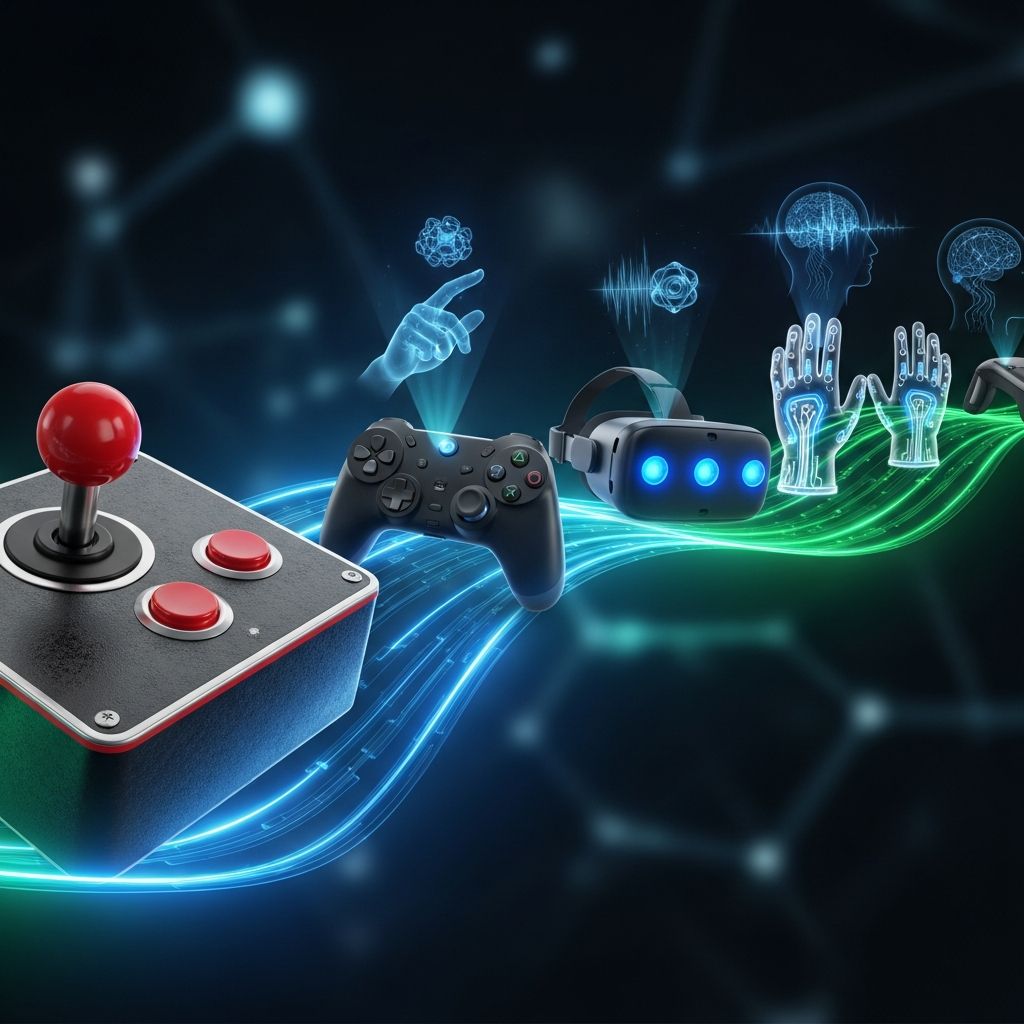
For decades, the analog stick has been the cornerstone of interaction in the gaming world. Since the introduction of dual-stick layouts in the late 1990s, the hardware architecture of controllers has remained remarkably static. However, a silent revolution is brewing within the peripherals industry. As manufacturers experiment with new form factors and sensor technologies, the venerable joystick is finally beginning to face a genuine challenge to its long-standing dominance.
The Legacy and Limitations of Analog Sticks
The traditional analog joystick, while intuitive, suffers from fundamental mechanical limitations. Friction, dust accumulation, and the eventual degradation of internal components lead to the dreaded “stick drift,” a phenomenon where inputs are registered even when the stick is at rest. This reliance on mechanical contact creates a finite lifespan for even the most premium hardware. Developers and engineers are now looking for ways to bypass these physical hurdles, leading to a surge in experimentation regarding how gamers interact with virtual spaces.
Emerging Technologies: Hall Effect and Beyond
One of the most significant shifts in modern controller manufacturing is the adoption of Hall Effect sensors. Unlike traditional potentiometers that rely on physical contact to track movement, Hall Effect sensors utilize magnets and electrical sensors to measure displacement. This approach eliminates the friction-based wear that plagues current industry standards.
- Increased Longevity: By removing the physical wear points, controllers can last significantly longer without losing precision.
- Higher Resolution: Magnetic tracking allows for more nuanced input data, providing a smoother experience for high-stakes competitive gaming.
- Reliability: Reduced internal complexity leads to fewer manufacturing defects related to calibration.
Beyond sensor technology, some manufacturers are beginning to explore modular designs, such as Corsair’s recent hardware initiatives, which reconsider how we hold and navigate controllers. By repositioning inputs and embracing touch-sensitive surfaces, these devices invite us to reconsider whether the “twin-stick” layout is truly the pinnacle of design.
Redefining Ergonomics and Input Versatility
Ergonomics is not just about comfort; it is about input efficiency. The current console standard assumes that the human hand is best suited for a specific grip style. However, as the diversity of gaming genres grows, so too does the need for specialized hardware. We are seeing a move toward controllers that prioritize specific use cases, such as flight simulators, strategy games, or professional-grade esports titles.
| Input Method | Advantages | Use Case |
|---|---|---|
| Traditional Analog | Broad Compatibility | General Gaming |
| Hall Effect Magnetic | Durability, Precision | Esports, High-Intensity |
| Optical/Touch Surfaces | Speed, Customizability | Strategy, Precision Aim |
The Future of Tactile Feedback
The transition away from traditional sticks is not only about tracking movement but also about haptic communication. Modern input devices are increasingly focusing on how the hardware “talks back” to the player. By integrating advanced actuators, controllers can simulate texture, tension, and impact in ways that were previously impossible. This sensory engagement is crucial for maintaining immersion as we move toward designs that may eventually phase out physical sticks entirely in favor of touchpads or optical sensors.
Frequently Asked Questions
What is stick drift?
Stick drift occurs when a controller’s internal sensors register input even when the joystick is not being touched, usually due to wear on the internal components.
Are Hall Effect controllers better for competitive gaming?
Yes, they offer higher precision and greater longevity, which are essential for competitive players who put significant wear on their equipment.
Will joysticks disappear completely?
While unlikely to vanish overnight, they are being augmented or replaced in specific high-performance tiers by more durable, precision-oriented technologies.
Conclusion
The design of gaming controllers is currently in a state of flux. While the traditional joystick remains a beloved standard, the industry’s push toward Hall Effect sensors and novel ergonomic layouts signals a change in philosophy. By prioritizing durability and precision, manufacturers are creating a path toward a new era of gaming hardware where the controller is no longer just a blunt tool, but a refined extension of the player’s intent.
References
- Hardware Reliability Standards in Consumer Electronics — IEEE Standards Association. 2023-05-12. https://standards.ieee.org
- Magnetic Field Sensing in Human-Computer Interaction — Journal of Sensors. 2024-01-15. https://www.mdpi.com/journal/sensors
- Ergonomic Design Principles for Gaming Peripherals — International Ergonomics Association. 2023-11-20. https://iea.cc
Similar Articles







Read full bio of Sneha Tete