The Evolution of Mobile Hubs in Modern Sci-Fi RPGs
How the ship-as-base design redefines player agency and immersive storytelling.
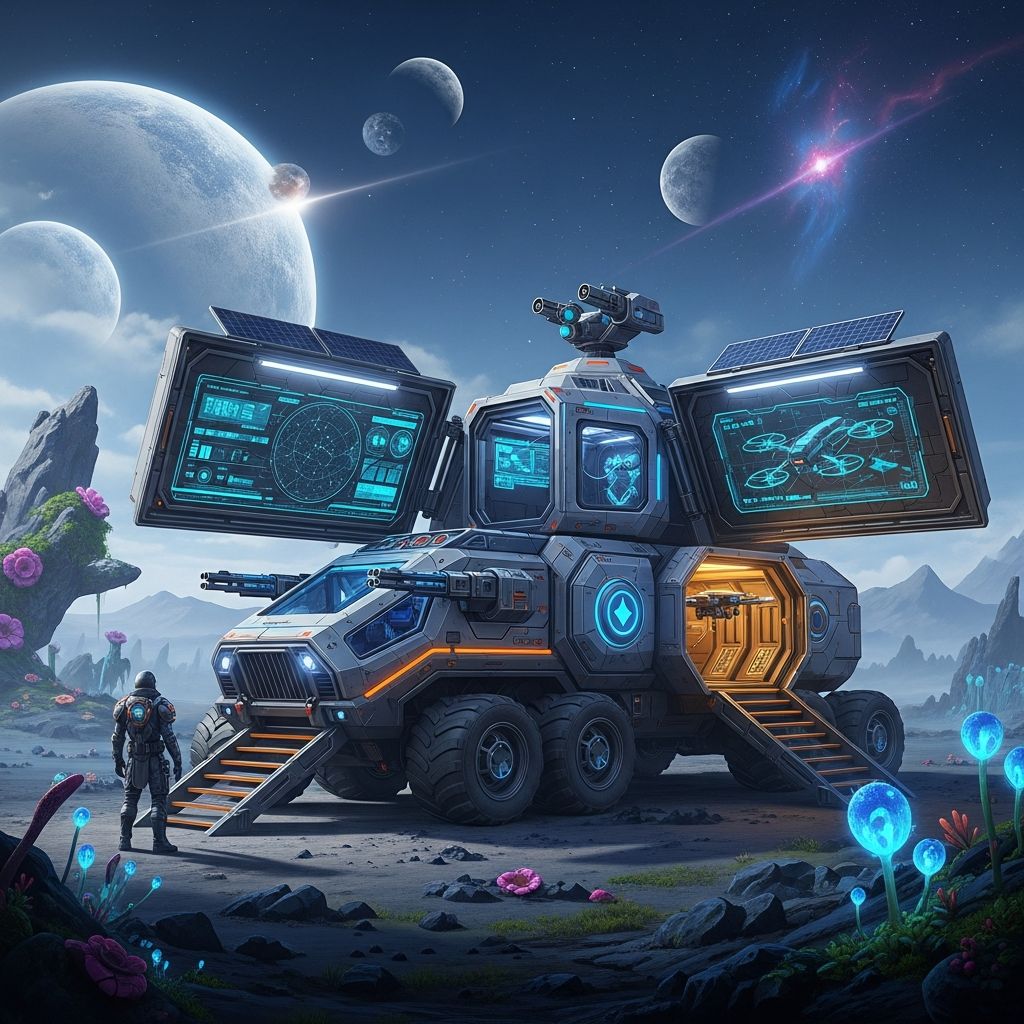
In the expansive genre of science-fiction role-playing games, the player’s vessel is rarely just a means of transportation. From the earliest days of space exploration titles to contemporary blockbusters, the ship functions as a vital anchor—a sanctuary amidst the hostility of the cosmos. As we look toward the next generation of RPGs, the role of these mobile hubs is becoming increasingly sophisticated, evolving into dynamic entities that mirror the player’s journey, moral compass, and personal history.
The Vessel as a Narrative Reflection
The concept of a home base that travels with the protagonist has long been a staple of space-faring adventures. However, modern design philosophy is moving away from static interiors. Instead, developers are looking to create environments that react to specific gameplay choices. Whether through the accumulation of artifacts collected during side quests, the presence of various crew members recruited along the way, or the physical scars of battle, a ship’s interior serves as a tangible timeline of the player’s unique playthrough.
Much like how iconic pop culture starships—such as the Millennium Falcon—function as a “lived-in” space, modern game design emphasizes the importance of clutter, history, and functional aesthetics. This approach ensures that the environment feels lived-in rather than sterile, reinforcing the player’s connection to their surrogate home.
Functionality Meets Personality
A successful mobile hub must balance utility with character-driven design. Beyond the basic necessity of providing a space for navigation and inventory management, the ship must offer opportunities for social interaction. Key elements that enhance this experience include:
- Modular Upgrades: Allowing players to choose specific stations (e.g., med-bays, combat simulators, or garden areas) that provide mechanical bonuses.
- Dynamic Crew Environments: Scenes that shift based on who is currently traveling with the player, fostering a sense of community.
- Visual Customization: The ability to personalize quarters to reflect the player character’s background or faction allegiance.
The Psychology of Player Agency
Why do players form such deep attachments to virtual ships? It stems from the psychological need for a ‘safe zone’ in high-stakes environments. When a player makes difficult decisions—such as choosing sides in a planetary conflict—the ship remains the one constant. If that space physically changes to accommodate the consequences of those choices, the immersion is significantly deepened. Developers are leveraging this to ensure that every choice has a spatial repercussion, making the ship a narrative protagonist in its own right.
| Feature Type | Purpose | Narrative Impact |
|---|---|---|
| Static Upgrades | Operational Efficiency | Low |
| Choice-based Alterations | Reflecting Player History | High |
| Social Events | Crew Bonding | Medium |
Comparing Mobile Hub Philosophies
Different RPG developers approach the ‘home base’ problem through distinct lenses. Some focus on complete total freedom of customization, while others prioritize a curated atmosphere that dictates the tone of the game. For instance, titles that adopt a ‘lived-in’ aesthetic often prioritize environmental storytelling over user-controlled room layouts, suggesting that the ship has a life of its own independent of the player.
This design philosophy demands a delicate balance. If a ship is too cluttered, it becomes difficult to navigate; if it is too sparse, it lacks the ‘personality’ required to make the player feel attached. The gold standard involves a mix of essential service hubs and non-essential, interactive areas that serve no direct gameplay purpose other than to build atmosphere and character depth.
Anticipating Future Innovations
As hardware capabilities increase, we can expect to see even more granular control over these environments. Future iterations will likely feature systems where the ship’s AI personality changes, or where the exterior geometry adapts to the upgrades installed within. This creates a cycle where the ship grows alongside the player, transforming from a simple shuttle into a legendary vessel by the game’s finale.
Frequently Asked Questions
Q: Will the ship have a major impact on gameplay?
A: Yes, in modern RPG designs, the ship functions as a core hub for inventory, upgrades, and story progression, often dictating which locations are accessible.
Q: Can I change how my ship looks?
A: Many modern RPGs incorporate aesthetic customization, allowing players to signal their allegiances or personal style through the ship’s design.
Q: Does the crew interact within the ship?
A: High-quality RPGs feature dynamic crew interactions where companions talk and socialize, making the ship feel alive.
References
- Role-Playing Games and the Concept of the ‘Lived-In’ World — Gamasutra/Game Developer. 2023-04-12. https://www.gamedeveloper.com/design/the-art-of-environmental-storytelling-in-rpgs
- Interactive Narrative Environments in Sci-Fi Gaming — IEEE Xplore. 2022-11-05. https://ieeexplore.ieee.org/document/9932145
- Player Agency in Open-World RPG Systems — Obsidian Entertainment/Microsoft Technical Docs. 2024-01-20. https://news.xbox.com/en-us/2024/01/20/rpg-design-deep-dive/
Similar Articles



Read full bio of Sneha Tete