Future Games Show Builds a June Showcase Trio
Three separate broadcasts return in June, promising new reveals, demos, and developer spotlights.
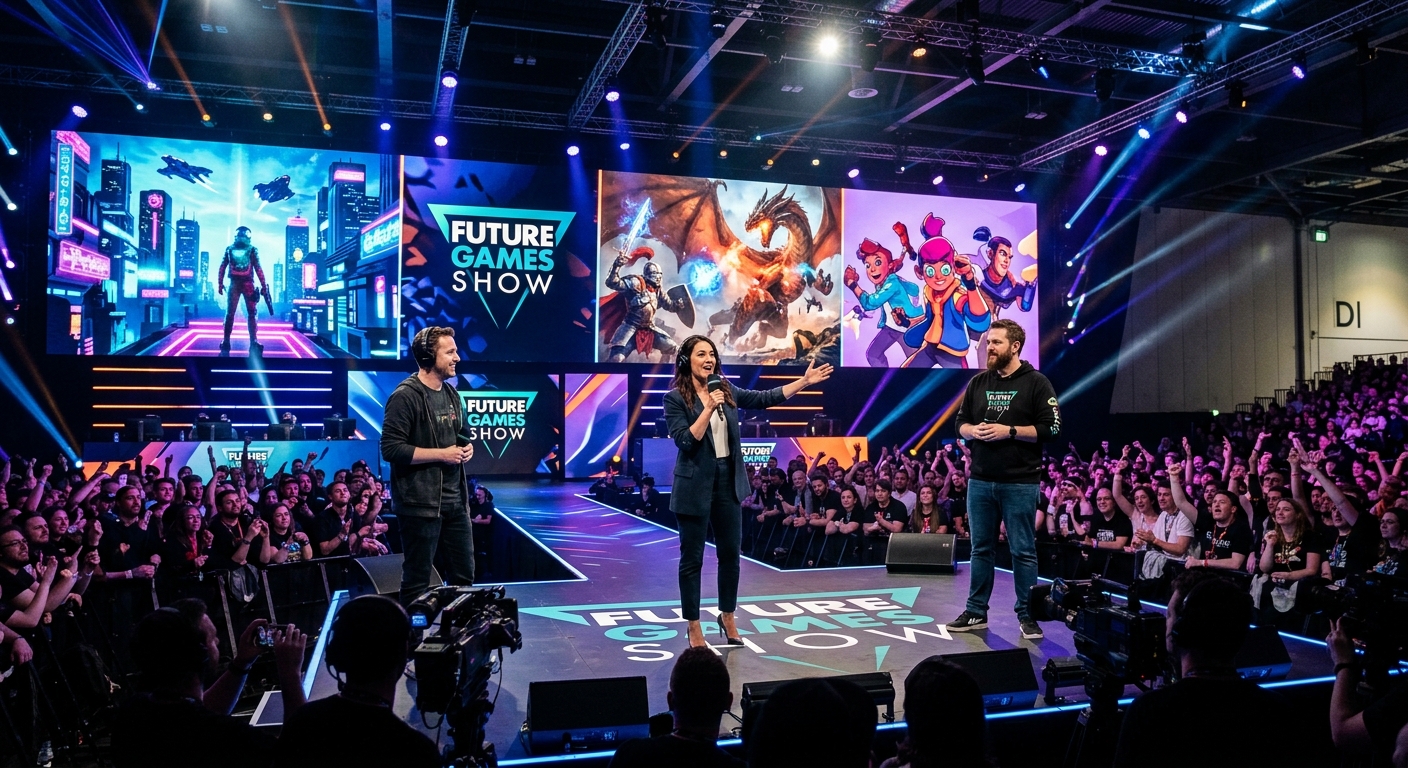
Future Games Show Prepares a Three-Part June Return
The summer gaming calendar is filling up fast, and one of the season’s recurring highlights is lining up a particularly busy return. The Future Games Show is coming back in June with a trio of broadcasts designed to cover different corners of the games industry, from big new reveals to live coverage and a dedicated PC-focused presentation. For players, publishers, and studios alike, it means another packed stretch of announcements arriving just as the summer showcase season kicks into gear.
Rather than folding everything into a single stream, the event organizer is spreading the spotlight across multiple shows. That gives the lineup more room to showcase trailers, premiere announcements, and hands-on material while also giving viewers several chances to tune in. The result is a schedule that feels closer to a mini festival than a one-night presentation.
A summer event with multiple stages
The most notable change this year is the decision to build the June event around three separate broadcasts. Instead of one broad presentation trying to do everything at once, the Future Games Show is being positioned as a coordinated series of programs. Each one has its own emphasis, which should make the coverage feel more focused and easier to follow.
This format also reflects how crowded the games calendar has become. Summer is now a key moment for publishers to place their biggest announcements in front of a global audience. A multi-show structure allows the organizer to keep attention on the brand for longer while giving individual segments a clearer identity.
- One show will highlight summer-facing reveals and fresh trailers.
- Another will bring a live presentation from Los Angeles.
- A third broadcast will focus on PC gaming news and updates.
That mix should appeal to players with different tastes, whether they are watching for blockbuster titles, indie discoveries, or platform-specific news.
What viewers can expect from the flagship showcase
The main summer edition is expected to carry the familiar promise that has helped the Future Games Show build its audience over time: a blend of world premieres, exclusive trailers, and new demo opportunities. The event’s appeal comes from its ability to mix large-scale anticipation with the surprise of lesser-known projects that might otherwise struggle for attention.
In practice, that means the broadcast is likely to feature a variety of genres and production scales. Viewers can usually expect a rhythm that moves between major announcements and more experimental or creative projects. That variety is part of the show’s identity, and it gives the presentation a more eclectic feel than some of the more tightly curated summer showcases.
The June edition also arrives during a period when many studios are ready to lock in launch dates, reveal new gameplay, or place early builds in front of players. Those factors make the event a useful moment for both marketing and community building.
Why the June timing matters
Scheduling the broadcasts in June is a deliberate move. The early summer period has become one of the most important windows on the gaming calendar, with players expecting a wave of previews, livestreams, and announcement reels. By placing its event at that point, the Future Games Show can take advantage of peak audience interest.
The timing also helps the presentation connect with other major summer gaming conversations. When a showcase lands during that broader media cycle, it benefits from the momentum created by industry-wide attention. That can increase visibility for games featured in the stream and help smaller titles reach a much larger audience than they might otherwise find.
| Show | Focus | Likely audience interest |
|---|---|---|
| Future Games Show Summer Showcase | New reveals and trailers | Fans of upcoming releases across all platforms |
| FGS Live from Los Angeles | Live event coverage and updates | Viewers following summer gaming news in real time |
| PC Gaming Show | PC-specific announcements | Players focused on computer gaming, mods, and hardware-friendly titles |
Where fans will be able to watch
Accessibility is a major part of the strategy. The broadcasts are expected to be streamed across multiple online platforms so that viewers can watch wherever they already follow gaming news. That kind of distribution is especially important for a showcase built around global audience reach.
By appearing on several major video and social channels, the event reduces the friction that can come with platform exclusivity. Fans should be able to choose the service they use most often rather than needing to migrate to a single destination. For a live event, that flexibility can make a meaningful difference in how many people tune in.
- Official video channels will carry the livestreams.
- Social platforms are expected to mirror the broadcasts.
- PC gaming audiences may also find coverage through related media partners.
That wide reach is especially useful for the Future Games Show because its audience is spread across mainstream and enthusiast groups. Some viewers are looking for major announcements, while others want to discover niche projects or indie debuts. Broad availability helps the event serve both.
How the event fits into the modern showcase season
Gaming presentations have evolved into more than just marketing reels. They now act as discovery engines, launch pads, and community events all at once. The Future Games Show has adapted to that reality by building a format that can spotlight many different kinds of projects without forcing them into a single tone.
This is one reason the show continues to matter. It is not trying to be the loudest or most bombastic presentation of the summer. Instead, it offers a flexible stage where different types of games can share attention. In a season dominated by headline-grabbing franchises, that diversity can be one of its greatest strengths.
The June lineup also suggests an understanding of how fans consume gaming news today. People often watch livestreams live, then catch up later through clips, summaries, and social posts. A sequence of broadcasts gives the event more opportunities to stay in conversation across several days or weeks.
What the three-show format could mean for announcements
Splitting the event into multiple broadcasts may also change the kind of announcements that appear in each one. The main showcase can handle the larger reveals, while the live event can provide a more immediate, in-the-moment atmosphere. The PC-focused broadcast can then dig deeper into games and technologies that matter most to that audience.
That separation creates room for stronger pacing. Rather than compressing every reveal into a single high-speed feed, the organizers can tailor the tone and content to each audience segment. For viewers, that means less information overload and more chance to appreciate each announcement on its own terms.
Developers may also benefit from the structure. A game that needs a dramatic premiere trailer can sit in the main showcase, while a title that is better explained through developer commentary or a gameplay breakdown can be assigned to a different stream. This makes the whole campaign more adaptable.
Why the Future Games Show still stands out
In a crowded market of digital showcases, the Future Games Show has carved out a recognizable niche by blending broad industry coverage with a willingness to feature a wide range of games. It is not limited to one publisher’s portfolio, and it is not restricted to only the biggest commercial names. That openness makes it useful for audiences who want variety.
The June return reinforces that identity. By presenting three linked broadcasts, the show is leaning into the idea that game discovery is better served by multiple touchpoints than by one oversized presentation. It is a practical approach, but also a strategic one: each show can generate its own headlines while contributing to a larger seasonal story.
For fans, the takeaway is simple. If you enjoy following upcoming releases, watching trailer debuts, and learning about games that may not yet be on your radar, June will likely bring several worthwhile livestreams from this brand alone.
Quick guide to the June broadcasts
- Expect a range of genres: big-budget action, indie projects, and experimental ideas often appear side by side.
- Look for fresh footage: trailer debuts and new gameplay clips are a central part of the event.
- Watch for demos and updates: some games may be accompanied by playable samples or release timing news.
- Plan for multiple viewing options: the event should be available across a mix of streaming platforms.
- Follow the full schedule: each broadcast has a different focus, so fans may want to watch more than one.
Frequently asked questions
What is the Future Games Show?
The Future Games Show is a recurring gaming showcase that highlights upcoming titles through trailers, premieres, interviews, and other news segments. It has become a familiar part of the summer games calendar.
Why are there three broadcasts this June?
The June event is being split into three separate shows so that each one can focus on a different type of content. That approach gives the organizers more room to tailor the presentation and spotlight more games.
Will the broadcasts include indie games?
Yes, the show has often featured a mix of major releases and smaller projects. That variety is one of the reasons it attracts a broad audience.
Can viewers watch the event online?
Yes. The broadcasts are expected to stream on multiple online platforms, making the event easy to access for viewers around the world.
What makes this year’s event notable?
The standout feature is the three-part format. Instead of one showcase, the event is stretching across several broadcasts, which should create more opportunities for announcements and audience engagement.
Looking ahead to the summer reveal season
The return of the Future Games Show in June suggests another busy stretch for game announcements and discovery. For the industry, it provides a convenient stage for upcoming projects to make an impression. For players, it offers a concentrated burst of news at the exact moment many are looking for their next favorite title.
If the event delivers on its promise of premieres, trailers, and demo drops, the three-show strategy may prove to be one of the more effective ways to keep audiences engaged through the summer. The format is ambitious, but it is also well suited to a moment when games news moves fast and attention is spread across many channels.
In other words, June is shaping up to be a month worth watching closely if you follow what is next in gaming. The Future Games Show is not just returning; it is expanding its presence with a structure built to keep the conversation going.
References
- The Future Games Show Summer Showcase, FGS Live, and the PC Gaming Show have been confirmed for June — TechRadar. 2026-05-20. https://www.techradar.com/gaming/the-future-games-show-summer-showcase-fgs-live-and-the-pc-gaming-show-have-been-confirmed-for-june-with-the-showcase-to-feature-world-premieres-exclusive-trailers-and-stealth-demo-drops
- Future Games Show — Future Publishing. 2026-05-21. https://www.futuregamesshow.com
- Future Games Show Summer Showcase 2025 — YouTube. 2025-06-07. https://www.youtube.com/watch?v=uDKGqC3jyWY
- How and where to watch Future Games Show: Summer Showcase — Windows Central. 2025-06-07. https://www.windowscentral.com/gaming/the-future-games-show-summer-showcase-goes-live-on-june-7-heres-where-and-how-to-watch-the-event
Similar Articles




Read full bio of medha deb