How Dispatch Reinvents Choice-Driven Adventure Games
Former Telltale veterans use Dispatch to rethink narrative design, making the choices and core gameplay loop genuinely engaging.
For over a decade, narrative adventure games inspired by Telltale’s work have followed a familiar pattern: watch a lengthy cutscene, nudge a character through a small environment, make a timed dialogue choice, then repeat. Dispatch, a superhero-flavored narrative adventure from AdHoc Studio — a team founded by former Telltale developers — takes that template apart and rebuilds it with a single guiding question: what if the core gameplay loop was as captivating as the story?
This article explores how Dispatch reshapes Telltale-style design by turning talky, linear sequences into a dynamic loop of dispatching heroes, juggling stats and resources, and navigating workplace chaos inside a world of capes, contracts, and corporate pressure.
The Telltale Legacy: Strengths and Stagnation
To understand why Dispatch feels like a fresh start, it helps to remember what made the Telltale formula so influential — and why it eventually began to feel tired.
- Emotional storytelling: Series like The Walking Dead and The Wolf Among Us demonstrated that interactive drama could rival prestige TV in tone and character work.
- Clear, impactful choices: Timed decisions, branching scenes, and the iconic “X will remember that” messaging taught players that dialogue choices could shape relationships and outcomes.
- Accessible input: Simple controls and limited verbs made these games approachable for players who cared more about story than action mechanics.
But as the years went on, the structure of these games solidified into something predictable. Many later adventures in the genre offered:
- Long stretches of passive cutscenes with minimal player agency.
- Exploration segments confined to small environments with little systemic depth.
- Quick time events (QTEs) that felt more like obstacles than meaningful interaction.
Developers, critics, and players alike began to question whether the genre could evolve without losing what made it compelling in the first place: character-driven storytelling and weighty decisions.
Enter Dispatch: Superheroes, Offices, and Second Chances
Dispatch is AdHoc Studio’s answer to that challenge. Set in an alternate Los Angeles where superpowers are commonplace but regulation and responsibility lag behind, the game blends superhero drama with a workplace comedy tone.
You step into the role of Robert Robertson III, once the armored vigilante known as Mecha-Man. After a disastrous encounter leaves his high-tech suit in ruins, Robert’s career and identity collapse. Broke and desperate, he accepts a job at the Superhero Dispatch Network (SDN), effectively becoming a middle manager for contract heroes.
Instead of punching villains directly, Robert coordinates a ragtag team of former supervillains — the so-called “Z-Team” — who are now trying (with varying enthusiasm) to work on the side of the law. The hook is immediately clear:
- You’re not the traditional superhero.
- Your best weapons are empathy, negotiation, and judgment.
- Your “battleground” is a control room full of calls, metrics, and clashing personalities.
From Passive Drama to Active Dispatching
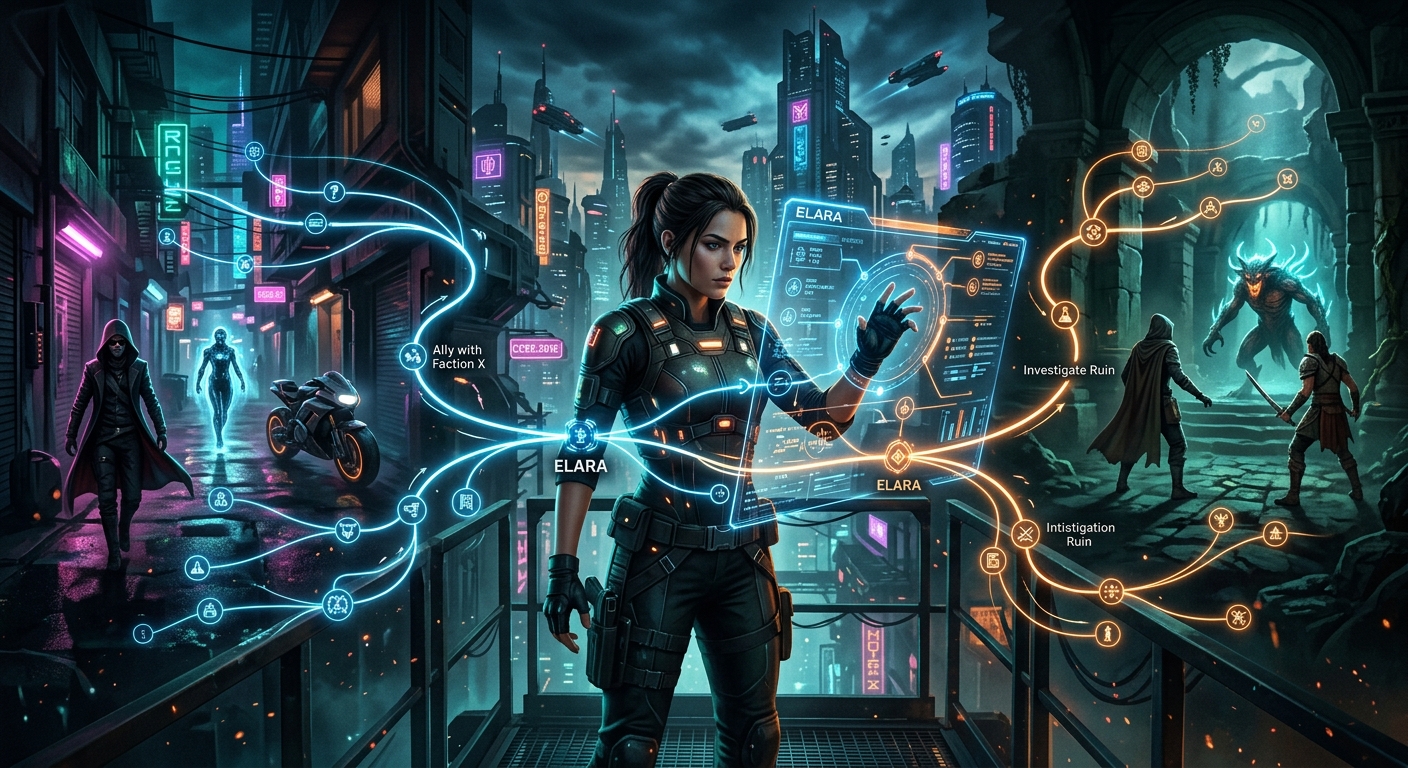
The core innovation of Dispatch is its central dispatch loop, which stands in for the passive exploration and filler QTEs that used to pad out similar games. Instead of slowly walking around small sets looking for highlighted objects, you’re constantly making decisions about:
- Which hero (or combination of heroes) to send on which call.
- How to juggle limited time and energy resources across a shift.
- Which cases to prioritize when multiple crises hit at once.
Calls range from textbook superhero emergencies to petty urban drama, including:
- Stopping superpowered robberies.
- Breaking up neighborhood disputes before they escalate.
- Handling PR-sensitive incidents where a bad outcome could damage SDN’s reputation.
Each decision you make in this interface feeds back into the narrative: success, failure, or partial success changes conversations, morale, and how NPCs perceive both Robert and his team.
Building a Systemic Backbone: Stats, Skills, and Synergies
Where classic Telltale-style games relied on largely hidden variables behind dialogue choices, Dispatch makes many of its systems legible and playful. Each hero on your roster has:
- Stats like strength, empathy, intellect, or stealth.
- Traits that modify how they approach situations or interact with others.
- Upgradeable abilities that you can invest in over time.
When a call comes in, it lists recommended or required stat thresholds for a successful resolution. Sending a hero who exceeds those thresholds boosts the chance of success; sending someone mismatched might lead to failure or unexpected outcomes. The twist is that combining heroes can produce synergy:
- Two heroes’ stats stack, raising your odds of success.
- Conflicting personalities might trigger unique banter or complications.
- Consistent pairings can build rapport, which can matter later in the narrative.
This creates a light strategy layer that reinforces narrative themes: you’re not just picking your favorite character; you’re trying to manage a team of complex individuals, each with strengths, baggage, and preferences.
Sample Comparison: Old vs. New Loop
| Design Aspect | Classic Telltale-style Adventure | Dispatch |
|---|---|---|
| Core Action | Walk, inspect objects, choose dialogue | Assign heroes to calls based on stats and traits |
| Moment-to-Moment Tension | Timed dialogue/QTEs | Resource management, prioritizing multiple crises |
| Player Role | Single protagonist making personal choices | Team manager balancing people, risk, and outcomes |
| Feedback Loop | Mostly cutscene-based reactions | Immediate mission results plus evolving workplace dynamics |
Office Politics as Gameplay, Not Just Flavor
One of Dispatch’s clever moves is to treat workplace friction as a central mechanic rather than just background dressing. Your team is composed of reformed villains with checkered histories, clashing ideologies, and clashing egos. As their dispatcher, you mediate disputes, assign jobs in ways that feel fair, and sometimes ask them to do things they’re uncomfortable with.
This design choice confronts an issue that many narrative games sidestep: how do you keep dialogue-driven scenes from feeling like filler? In Dispatch, office interactions matter because they tie back into the systems that drive the dispatch loop. Who you upset, who you trust, and who you overuse all shape future effectiveness.
Meaningful Choices Beyond Binary Morality
Many narrative games fall into a pattern of obvious binary choices — be compassionate or ruthless, support one character or the other. Dispatch pushes for a more nuanced flavor of decision-making, partly because you’re working within a corporate superhero framework where:
- Contracts, liability, and PR often shape what “good” looks like.
- Resource limitations mean you can’t save everyone all the time.
- Former villains on your payroll may have insights heroes lack — but trusting them involves risk.
Your decisions often weigh:
- Short-term safety vs. long-term community impact.
- Protecting one neighborhood vs. letting another issue simmer.
- Doing what’s right vs. what keeps SDN’s numbers (and your job security) healthy.
This echoes real-world discussions around emergency services triage and institutional priorities. Research on emergency response systems highlights how dispatchers must constantly balance incomplete information, time pressure, and competing demands when allocating resources.1,2 Dispatch fictionalizes and exaggerates these tensions through a comedic superhero lens while still tapping into genuine ethical complexity.
Humor, Tone, and the Value of Levity
Despite its heavy themes — grief, corporate exploitation, redemption — Dispatch leans into comedy. The game knowingly pokes fun at superhero tropes, startup culture, and loyalty programs for catastrophic insurance. This levity is not just aesthetic; it functionalizes player engagement in several ways:
- Relief from tension: Light-hearted dialogue and absurd situations create contrast with difficult choices, preventing emotional fatigue.
- Stronger character attachments: Comedy often serves as a shortcut to intimacy. When characters share jokes or awkward moments, players are more likely to care about their fates.
- Sharper satire: By portraying SDN as both necessary and morally compromised, the game can critique commercialization of heroism without turning preachy.
In narrative design, tone management is crucial. Studies of player engagement in story-rich games note that humor, when used carefully, increases both attention and memorability without diminishing serious themes.3 Dispatch makes smart use of that insight.
Why the “Fun Gameplay” Question Matters
The developers behind Dispatch asked themselves a blunt question after years of working within the familiar Telltale structure: what if the moment-to-moment mechanics, not just the plot, were genuinely fun? For a long time, narrative adventure games operated on an implicit bargain:
- If you care about story and characters, you’ll put up with mechanical repetition.
- If you want skill-based, systemic play, you should look elsewhere.
Recent years have seen a shift. Games like Disco Elysium, Citizen Sleeper, and various visual novels have shown that you can integrate systems and storytelling in ways that complement each other rather than compete. Dispatch is part of that movement within the specific lineage of Telltale-style adventures.
This rethinking aligns with broader trends in game design research, which emphasize the importance of aligning mechanics with narrative themes to maintain engagement.4 In Dispatch, the act of assigning heroes is itself a narrative statement: Robert is no longer the person in the suit; he’s the one making the strategy calls, living with the consequences, and trying to keep a messy organization functioning.
What Dispatch Suggests About the Future of Narrative Adventures
While Dispatch is a specific game with its own tone and setting, its design choices point toward several promising directions for narrative-heavy games:
- Systemic depth doesn’t have to undermine story. Lightweight management or RPG systems can reinforce narrative rather than distract from it.
- Perspective shifts create new stakes. Putting players in the role of a dispatcher or manager, rather than the front-line hero, opens up different types of conflict and responsibility.
- Workplace dynamics are rich material. Offices, call centers, and control rooms are fertile ground for both comedy and drama when treated as spaces of meaningful choice.
- Comedy and sincerity can coexist. Satirical takes on heroism or corporate culture can still deliver heartfelt character arcs.
For developers who grew up on Telltale games and now want to push the form forward, Dispatch serves as an example of how to honor a legacy without repeating its weaknesses.
FAQ: Dispatch and the Evolution of Choice-Based Games
- Is Dispatch just another Telltale-style game with a new skin?
- No. While it shares DNA with earlier narrative adventures (branching choices, dialogue-heavy scenes, episodic storytelling), Dispatch builds a more active gameplay loop around dispatching heroes, managing stats, and balancing workplace dynamics. Those systems significantly change how you interact with the story.
- Do the strategic elements make Dispatch less accessible?
- The management layer is intentionally light. You examine calls, check which heroes fit best, and decide who to send. It’s closer to a story-driven RPG or management sim than a complex strategy game, and it remains friendly to players who prioritize narrative.
- Are the player’s choices actually meaningful?
- Choices affect mission outcomes, team morale, and how key characters perceive you. As with most narrative games, you can’t rewrite the entire universe, but your path through events, the fate of certain relationships, and the tone of the story can shift based on your decisions.
- How does Dispatch compare to other modern narrative games?
- Where some recent narrative titles focus on deep stat systems or expansive open worlds, Dispatch occupies a middle ground: it remains tightly focused on character-driven scenes but uses a strong central system (the dispatch loop) to keep the player actively participating between conversations.
- What can other developers learn from Dispatch?
- Three big lessons stand out: give players more to do than walk and watch, integrate systems that express your core themes, and don’t be afraid to use humor as a tool for both engagement and critique.
References
- Principles of Emergency Dispatch — International Academies of Emergency Dispatch. 2023-05-10. https://www.emergencydispatch.org
- 911: Is Emergency Response Broken? — U.S. Federal Communications Commission. 2021-09-28. https://www.fcc.gov/consumers/guides/911-wireless-services
- Game Engagement and Narrative: A Systematic Review — B. Boyle et al., International Journal of Human-Computer Interaction. 2016-07-04. https://www.tandfonline.com/doi/full/10.1080/10447318.2016.1141738
- Unified Design of Interactive Narrative and Gameplay — J. L. Zagalo, in Interactive Storytelling (LNCS 11176), Springer. 2018-11-05. https://doi.org/10.1007/978-3-030-04028-4_10
Similar Articles




Read full bio of Sneha Tete