Mastering Cast Builds in Hades 2
Why cast-focused builds quietly turn Hades 2 from frantic chaos into a controllable, high-damage power trip.
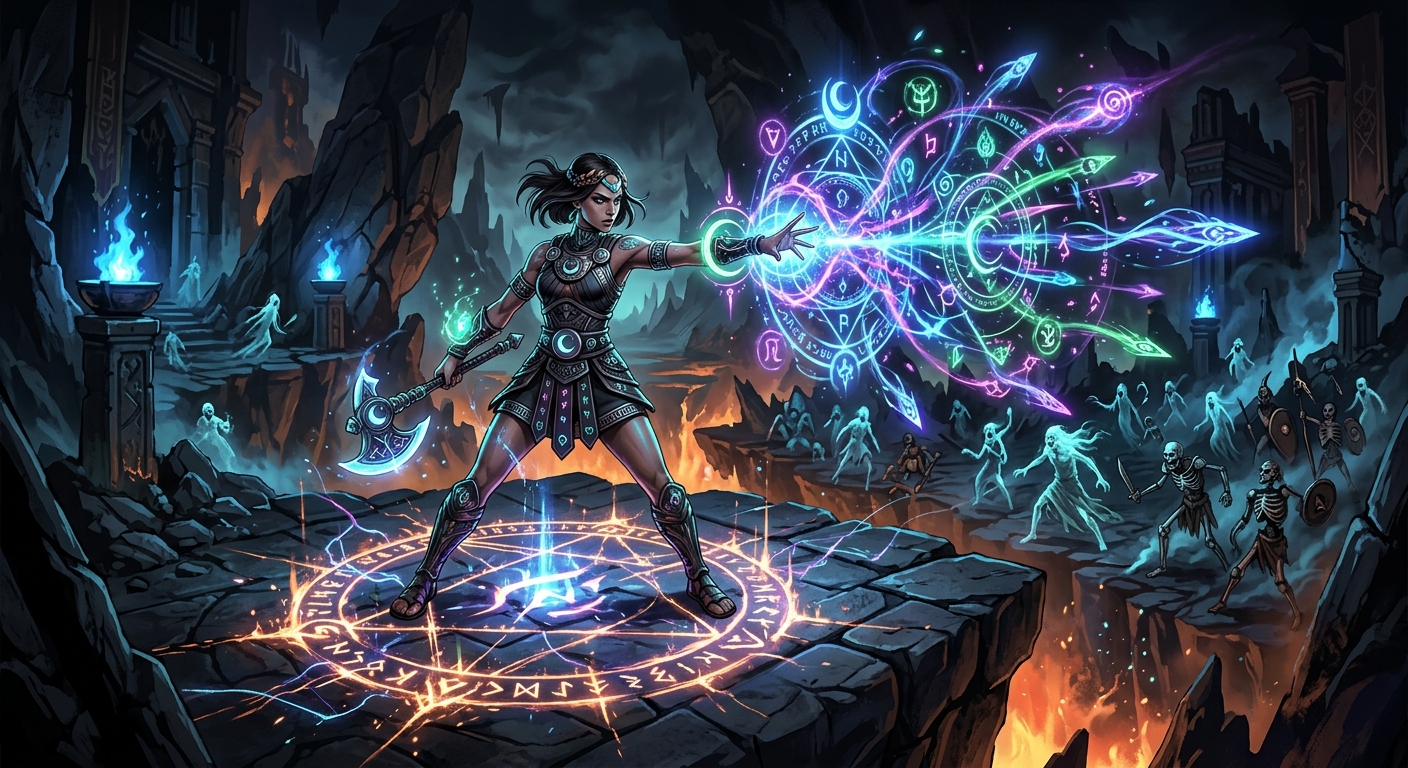
Mastering Cast Builds in Hades 2: Turn Chaos Into Control
Hades 2 starts out fast, punishing, and often overwhelming. Foes dash across the arena, projectiles flood the screen, and bosses erase half your health bar if you mistime a dodge. Many new players instinctively lean on basic attacks and weapon specials, treating the cast as a backup tool. That choice makes the game dramatically harder than it needs to be.
This guide explains why building around casts can be the backbone of safe, high-damage runs. Drawing inspiration from community impressions and mechanical analysis of Hades and Hades 2, it walks through how to structure a cast-focused build, what boons and upgrades to favor, and how to weave casts into every fight so encounters become predictable instead of chaotic.
Why Casts Matter So Much in Hades 2
Casts in the Hades series have always been more than an extra button. In the first game, they functioned as an innate ranged spell with its own damage scaling and interaction with boons.1 In Hades 2, casts are even more central to how you control space and manage large groups of enemies.
Three core reasons make casts so powerful:
- Crowd control: Default and boon-enhanced casts can immobilize or heavily slow enemies, buying time for positioning.
- Independent scaling: Casts often receive separate damage multipliers, letting you stack enormous burst without over-investing in weapon attacks.
- Safe damage: Because casts typically work at range or from zones on the ground, they let you pressure enemies while staying out of melee danger.
This combination means a well-built cast setup can carry entire rooms while your weapon plays a supporting role.
Understanding the Role of Casts in Your Kit
To build around casts, treat them as your primary game plan, not a situational tool. That means every decision – boons, Arcana, keepsakes, even which doors you choose – should be filtered through a single question: “Does this make my cast stronger, safer, or more reliable?”
In practice, casts tend to fulfill one of three roles in a build:
- Control-first casts: Focused on freezing, snaring, or debuffing enemies so your weapon can clean up safely.
- Damage-first casts: Built to be your main source of DPS, with buffs stacked to amplify cast damage above all else.
- Hybrid casts: Offering both some control and meaningful damage, for flexible all-around builds.
Deciding which of these you’re aiming for early in a run makes later choices much easier.
Early-Run Priorities: Resources, Arcana, and Grasp
Cast-centric play doesn’t exist in a vacuum. It relies heavily on the progression systems that surround each run. Supergiant’s design across both Hades games uses permanent unlocks and meta-progression to gradually increase survivability and damage over time.2 In Hades 2, a few resource priorities are particularly important if you know you want to specialize in casts.
Key Resources for Cast Builds
Focus on these early-game resources and uses:
- Ash: Used to unlock and empower Arcana cards. Early Arcana that boost your survivability and core damage give cast builds the foundation they need.
- Psyche: Increases your grasp, letting you equip more Arcana at once. More grasp means more impactful synergies, which benefits cast-focused strategies enormously.
- Nectar: Essential for unlocking keepsakes from gods and allies. Keepsakes that improve cast consistency or help you force specific gods are especially valuable.
- Other gathering materials: Needed for incantations that unlock additional tools, weapons, and cosmetic-but-helpful systems that smooth out your runs.
Arcana and Grasp: Your Hidden Power Budget
The Arcana system effectively acts as your build’s passive skill tree. Prioritize cards that support cast-focused play:
- Baseline survivability (max health, damage reduction, or extra death-defiance–type effects).
- General damage boosts that also benefit casts.
- Cards that interact with status effects or repeated hits, since casts often apply or stack these reliably.
Spending Psyche to increase grasp allows you to equip more of these effects simultaneously, which compounds their impact over time.
How Cast Mechanics Shape Your Tactics
While exact numbers and behaviors differ between the two games, the first Hades established some baseline expectations for casts: limited charges, independent damage scaling, and strong interactions with boons.1 Hades 2 pushes further into cast-based control of the battlefield.
Typical Cast Characteristics
A cast in Hades 2 often behaves like:
- A deployed zone or projectile that affects an area for a short duration.
- A source of root, slow, or other debilitating effect.
- A persistent damage field that encourages enemies to cluster where you want them.
This makes positioning and timing crucial. Rather than spamming casts randomly, you’ll get better returns by deliberately placing them:
- Near choke points where enemies must pass.
- Under ranged foes to force them to stay still or suffer damage while they attack.
- At boss spawn points, anticipating phases or summoned adds.
Synergy With Limited Mobility
Hades 2 limits your mobility more than some action games, often giving you fewer dashes at a time. Strong, well-placed casts compensate for this by locking dangerous enemies in place and buying time to reposition. That’s why ignoring casts makes the game feel dramatically more punishing: you’re giving up one of your most reliable tools for compensating for limited movement.
Core Principles of a Cast-First Build
Once you commit to cast-centric play, the rest of your build unfolds around a few key principles.
1. Treat Casts as Your Main Damage or Control Plan
This mindset change is crucial. When in doubt:
- Pick the boon that supports your cast over small weapon upgrades.
- Choose rooms that reward you with cast-related gods or resources.
- Invest early in upgrades that improve cast uptime, radius, or potency.
2. Use Weapons to Support Your Casts, Not the Other Way Around
Weapons and specials should complement your cast playstyle:
- Fast weapons can kite enemies through cast zones.
- Heavy-hitting weapons can punish foes that escape your cast’s control.
- Ranged weapons can safely finish enemies snared or softened by casts.
3. Stack Synergies, Not Random Power
Hades 2 is a roguelike: you never know exactly what you’ll get. But you can nudge runs into coherent shapes by sticking to a plan. For cast-focused builds, look for:
- Boons that add status effects to casts (like chill, doom, or other debuffs).
- Boons that multiply damage against debuffed enemies.
- Effects that reward keeping enemies inside a zone or repeatedly hitting them.
Random upgrades are less valuable than tightly focused ones that reinforce what your cast is already doing well.
Gods and Boons: Building a Cast-Focused Divine Package
Different Olympian gods bring different flavors to cast builds. While exact numbers and behaviors can change with balance patches, there are recognizable archetypes from Supergiant’s design in Hades and early Hades 2 builds.1,2
| God | Cast Style | Ideal Use Case |
|---|---|---|
| Apollo / Sun-aligned | High-damage, often zone-based casts with strong synergy for area control. | Wave management, boss phases with limited safe spots. |
| Demeter | Slow, chill, or control-heavy effects that make enemies easier to kite. | Defensive runs, learning boss patterns, surviving long rooms. |
| Ares | Damage-over-time or escalating punishment effects. | High-HP enemies, mini-bosses, and bosses. |
| Poseidon | Knockback and control, sometimes with burst damage. | Hazard-heavy rooms where environmental damage matters. |
In a cast-first run, you often want:
- One primary cast god that defines your main cast behavior.
- One or two support gods that add damage multipliers or defensive boons.
- Possibly a late-game god for further amplification or clutch survivability.
Room Strategy: Positioning, Target Priority, and Rhythm
Strong cast builds aren’t just about upgrades; they’re also about how you play each room. The flow of combat changes when your cast is your central tool.
Step-by-Step Combat Rhythm
A typical cast-focused engagement might look like this:
- Identify the most dangerous enemies (ranged attackers, dash-heavy foes, or buffing supports).
- Deploy a cast where those enemies will stand, move, or spawn.
- Pull enemies through the cast zone with kiting or knockback, or wait for them to enter.
- Use weapon attacks to finish off weakened or immobilized targets.
- Relocate and repeat, always keeping your cast between you and the biggest threat.
Managing Cast Charges
Depending on your specific build, you may have multiple cast charges or ways to refresh them quickly. Good habits include:
- Avoiding dumping all casts in one spot unless enemies are tightly grouped.
- Staggering casts so you always have one available for emergencies.
- Dropping a cast preemptively when you know a new enemy wave is about to spawn.
Boss Fights With Cast Builds
Bosses are where cast-focused strategies shine. Because bosses have predictable patterns, you can place casts in high-value locations long before attacks land.
General Boss Tips
- Learn safe zones: Most bosses have areas of the arena that stay safe during specific attacks. Place casts just outside those zones, so bosses must stand in your damage to hit you.
- Cast between phases: As a boss transitions phases, use the downtime to set up your casts where the next phase begins.
- Save defensive tools (like damage reduction or emergency heals) for when your cast is down or misplaced.
Handling Adds
Many bosses summon adds mid-fight. Cast builds can trivialize these waves:
- Drop casts at add spawn locations as soon as you recognize patterns.
- Use AoE weapons or specials to mop up weakened adds trapped in your casts.
- Keep one cast charge reserved for unexpected add spawns or teleporting enemies.
Balancing Offense and Defense in a Cast Build
A common mistake is overloading on damage boons while neglecting defense. Supergiant’s design philosophy encourages players to build both offensive and defensive layers.2 This is especially true for cast builds, since you might be tempted to stack every damage multiplier you see.
Minimum Defensive Baseline
As you shape a cast-centric run, try to secure at least:
- One reliable max health increase or permanent health boost system.
- One source of damage mitigation (flat reduction, armor, or periodic shields).
- One panic button – this could be an extra life, a large heal, or an emergency invulnerability effect.
When to Pivot Away From Casts
Roguelikes demand flexibility. Sometimes you simply won’t see enough cast-related boons or synergy pieces early. In that case:
- Use casts primarily for control, not damage.
- Shift your damage plan to whichever weapon or special has gotten the best upgrades.
- Keep an eye out for late cast boons – a single strong one can still bring casts back into the spotlight mid-run.
Common Mistakes Players Make With Casts
Many players who feel that casts are underwhelming are unknowingly sabotaging their own build. Watch out for these pitfalls:
- Ignoring cast boons early: Passing on early cast upgrades in favor of minor weapon boosts delays your power spike.
- Scattering casts randomly: Casting without a plan wastes their control potential and damage.
- Over-investing in one damage type: A pure glass-cannon cast build with no survivability often dies before its damage matters.
- Not reading boon text carefully: Some boons specify attack, special, or cast only; mixing them up leads to disappointment when your cast doesn’t benefit.
Sample Cast-Focused Game Plan
Rather than a rigid build, think in terms of a flexible plan you adapt each run. Here’s an example of how you might prioritize decisions with a cast-first mindset.
Early Biome
- Pick doors that offer Ash and Psyche to strengthen Arcana and grasp.
- Take your first cast-related boon from a god with strong AoE or control.
- Grab a keepsake that increases your chance of seeing that god again or boosts your survivability.
Mid-Run
- Focus on multiplying your cast’s strengths – bigger radius, higher damage, stronger control.
- Round out defense with at least one solid defensive boon.
- Use gathered resources to unlock any incantations that indirectly improve runs (like new tools or better resource access).
Late-Run
- Look for rare or duo boons that supercharge your cast or its synergies.
- Prioritize healing and safety if you’re approaching new or difficult bosses.
- Play more patiently, letting your casts do the heavy lifting while you avoid unnecessary damage.
FAQ: Casts and Cast Builds in Hades 2
Are casts mandatory to win in Hades 2?
No, you can beat the game with weapon-focused builds. However, ignoring casts removes one of the strongest tools for crowd control and safe damage, making learning fights and surviving on higher difficulty settings significantly harder.
What if I find casts clunky or hard to aim?
That’s often a learning curve issue. Practice placing casts where enemies will be instead of where they are, and use them near chokepoints or spawn locations. Over time, you’ll start treating casts as pre-placed traps rather than reactive shots.
Should I always take a cast boon if it appears?
Early in a run, picking up your first strong cast boon is usually an excellent idea if you intend to build around casts. Later, evaluate whether the boon deepens your existing synergies or just adds power in an unrelated direction.
How many defensive boons do I need in a cast build?
There’s no exact number, but a good rule of thumb is to invest about a third of your boons into survivability: extra health, damage reduction, or extra lives. Cast builds deal plenty of damage naturally once you stack a few upgrades; staying alive long enough to use that damage is what matters.
Do cast builds work with every weapon?
Yes, but some weapons complement cast play more naturally. Fast, mobile weapons are ideal for kiting enemies through cast zones, while heavier weapons work better for punishing immobilized targets. Try different combinations and see which rhythm fits your playstyle best.
Why Cast-Focused Play Makes Hades 2 Feel Fair
Hades 2 is designed to feel deadly but readable. When you lean into casts, you’re choosing to interact with that design at its most intentional level: controlling space, anticipating enemy behavior, and layering complementary systems like Arcana, boons, and keepsakes. Instead of scrambling to dodge every projectile, you set the terms of the fight.
If the game currently feels like a relentless onslaught, experiment with a few runs where you consciously treat casts as your main tool and build everything else around them. With practice, you’ll find that what once felt like an overwhelming roguelike becomes a dance you’re leading – and casts are the music.
References
- Cast – Hades Wiki (mechanics overview from the first game) — Hades Fandom Community. Accessed 2026-05-20. https://hades.fandom.com/wiki/Cast
- Hades II FAQ — Supergiant Games (official developer information on Hades 2). 2023-12-08. https://www.supergiantgames.com/blog/hades-ii-faq/
- Hades: Technical Postmortem — Game Developers Conference / Supergiant Games (talk and accompanying materials describing design philosophy for Hades). 2021-07-21. https://gdcvault.com/play/1027455/Hades-The-Challenge-of-Designing
- Roguelike Games and Procedural Generation: A Brief Overview — ACM Queue. 2020-01-15. https://queue.acm.org/detail.cfm?id=3378475
Similar Articles




Read full bio of medha deb