Olden Era and the Return of Heroic Strategy
A fresh look at how Olden Era blends classic tactics with modern player input.
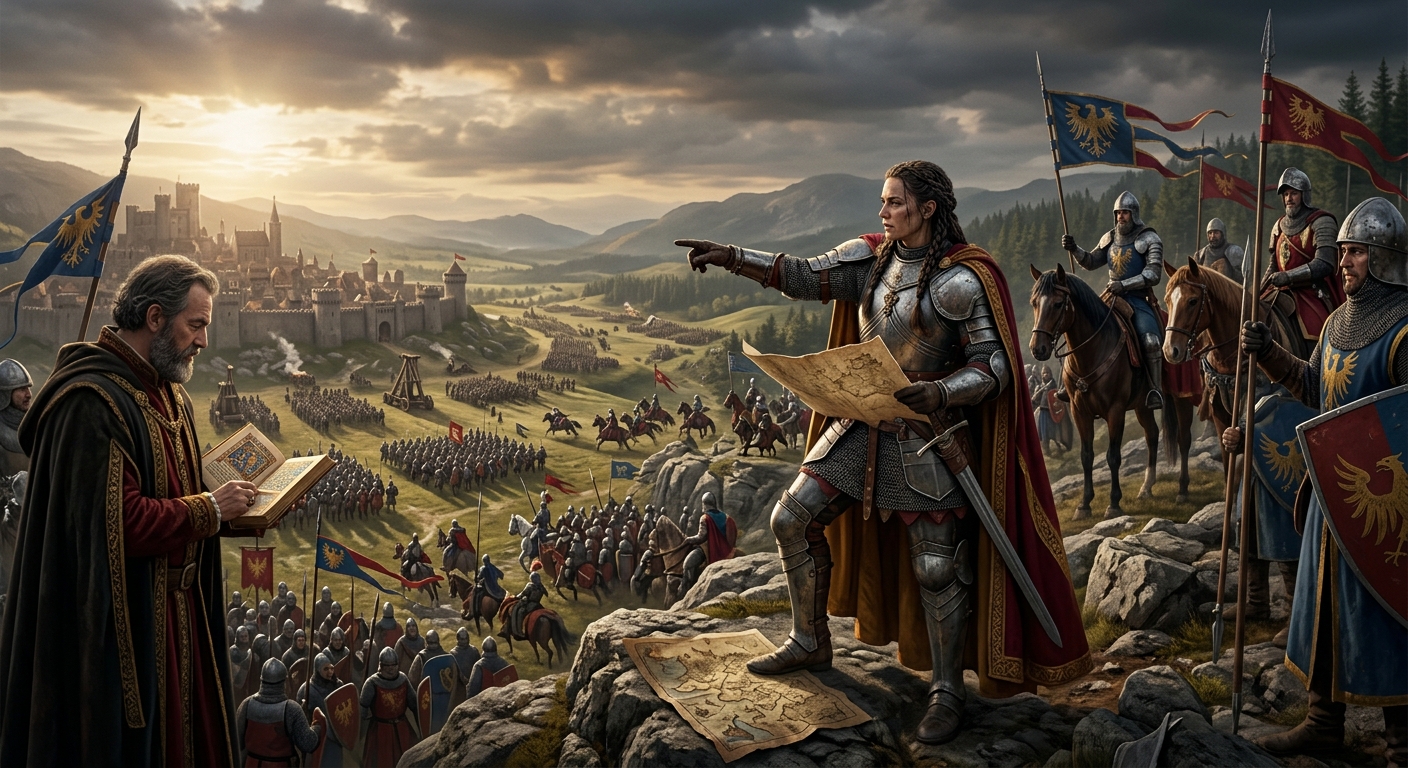
Few strategy series inspire as much nostalgia as Heroes of Might and Magic. For many players, it represents a rare blend of map exploration, city-building, tactical combat, and long-term planning that rewards patience as much as boldness. Heroes of Might and Magic: Olden Era arrives with the pressure of that history behind it, but it also has an advantage: the chance to learn directly from the people who still care deeply about the formula.
What makes this release especially interesting is not just that it revives a beloved style of play. It also tries to modernize the experience without losing the identity that made the series memorable in the first place. That means a careful balance between accessibility and depth, between familiar systems and meaningful improvements, and between fan expectations and developer experimentation.
Why this series still matters
Turn-based fantasy strategy has never disappeared, but very few games have managed to deliver the same kind of broad appeal that the classic Heroes formula achieved. It was never only about battles. It was about building a kingdom one decision at a time, sending a lone hero into the fog of war, and turning a weak starting town into a powerful stronghold over the course of many in-game weeks.
That structure remains compelling because it offers multiple layers of progress at once. You are not only improving an army. You are expanding territory, managing resources, unlocking new units, finding artifacts, and deciding when to risk a fight. Each move has consequences, and each map becomes a kind of strategic puzzle.
Olden Era leans into that legacy while presenting itself as a fresh starting point. For longtime fans, it is a chance to reconnect with a format they have missed. For newcomers, it is a gateway into a genre that can look intimidating at first but becomes rewarding once its rhythms click.
The value of building a game with players instead of for them
One of the most encouraging things about Olden Era is the way feedback appears to shape its direction. Early access is often treated as a testing phase, but in the best cases it becomes a genuine conversation between developers and players. That matters a great deal in a strategy game, where even small adjustments to balance, pacing, or interface design can dramatically alter the experience.
Feedback-driven development is especially useful for a series with a passionate audience. Fans of long-running strategy franchises usually know what they want, but they also disagree on details. Some prefer sharper tactical complexity, while others want smoother onboarding. Some want dense systems and layered exceptions, while others want cleaner rules and faster turns. A responsive development cycle can help reconcile those competing desires.
Instead of treating community reactions as background noise, a game like Olden Era benefits from listening carefully to how people actually play. That can lead to stronger tutorials, clearer interfaces, better pacing, and a more flexible balance curve. In a genre where commitment can be high, those improvements are not cosmetic. They can determine whether a new player keeps going after the first hour.
What the core loop looks like
At its heart, the game follows a structure that strategy fans will recognize immediately. You begin with a hero, a starting settlement, and a limited amount of space to grow. From there, the challenge is to expand outward without overextending yourself. You scout the map, gather resources, capture important points, and decide when to fight and when to avoid battle.
The loop works because each stage feeds the next one:
- Explore the map to reveal terrain, threats, and useful rewards.
- Secure resource nodes and control points that support your economy.
- Develop towns to unlock stronger troops and better tools.
- Recruit new units to keep pace with escalating danger.
- Engage in tactical battles where formation and timing matter.
This structure creates a pleasant tension between short-term survival and long-term growth. You may need to spend resources now on defense, even if saving them for future upgrades would feel more efficient. Or you might accept a risky battle because leaving an enemy unchecked would be worse later. The game constantly asks you to choose between safe and ambitious play.
Why the tactical battles remain the highlight
The combat system is one of the reasons the series has lasted so long. Unlike action-driven fantasy games, it gives you time to think through the consequences of every move. Positioning matters. Initiative matters. Terrain matters. Even apparently minor decisions can produce outsized results, especially when a battle turns on a single spell or an unexpected retaliation.
Olden Era appears to preserve that identity while making room for the kind of readability modern players expect. That is important because tactical depth only works if the rules are understandable. Players should feel clever when they win, not confused about why something happened. The more transparent the system, the more satisfying the strategy becomes.
There is also a psychological appeal to battles in this style. They are not just tests of reflexes. They are tests of foresight. You are weighing the strength of your army against what might happen several turns later. That slower pace gives the game a distinctive mood: deliberate, methodical, and a little bit heroic.
Town growth and resource pressure
Another central pleasure in this kind of strategy game is watching a settlement evolve. A weak outpost at the beginning can become the engine that powers your entire campaign. That progression is satisfying because it ties together exploration, economy, and military strength. If you want a better army, you need a better town. If you want a better town, you need to venture farther and take bigger risks.
The resource economy also keeps the game honest. Expansion is never free. You have to think about what every building, unit, and upgrade costs, and whether that expenditure will produce a meaningful return. This creates a strong sense of ownership over each decision. A victory feels earned not just because you won a fight, but because you built the foundation that made victory possible.
Olden Era’s early access approach suggests that this layer of the game is one of the most important areas for refinement. A strategy title can have excellent combat and still feel flat if its progression lacks clarity. Good town management gives the entire experience shape.
Accessibility is not the same as simplification
One of the biggest challenges for any modern revival is welcoming new players without making veterans feel like the game has been diluted. These goals are not mutually exclusive, but they require care. Clear menus, helpful tooltips, and sensible defaults can improve accessibility without removing the tactical demands that define the genre.
That distinction matters. Accessibility should lower the barrier to entry, not flatten the game’s identity. A strong strategy title can be approachable while still asking players to learn systems, understand tradeoffs, and recover from mistakes. In fact, the best versions of the genre often become more enjoyable precisely because they invite mastery over time.
For Olden Era, this balance may be one of the most important tests of its early access period. If the game can explain itself well, it can preserve depth while becoming less intimidating. That would make it easier for the series to grow beyond its most dedicated audience.
How early access can shape a stronger final release
Early access is sometimes criticized when it feels like a paid beta with no clear path forward. But used well, it can be one of the best ways to improve a complex game. Strategy titles, in particular, benefit from public testing because they contain so many interacting systems. A tweak to unit balance can affect battle outcomes, which can affect exploration, which can affect town growth, which can affect the overall campaign rhythm.
That chain reaction means real players are often the best source of insight. They expose edge cases, discover overpowered combinations, and reveal which systems are exciting versus merely functional. Developers can then prioritize the parts of the design that matter most to actual play rather than hypothetical use cases.
For a franchise revival, that process is even more valuable. Fans usually have strong opinions about what should return, what should change, and what should be left behind. Testing those ideas in public can reduce the risk of launching with mismatched expectations.
What makes the formula endure
The reason this style of game continues to attract attention is simple: it offers a complete fantasy of command. You are not just controlling a hero on a battlefield. You are shaping a campaign from the ground up. You manage land, prepare armies, chase objectives, and react to surprises. Every element supports the feeling that your decisions matter.
That sense of agency is rare, and it is part of why fans remain devoted to the genre. The game rewards patience, planning, and adaptation in equal measure. You can lose a battle and still recover strategically if your larger plan is strong enough. Likewise, a tactical victory can mean little if your economy collapses afterward. The interconnectedness is what keeps the tension alive.
Olden Era’s appeal comes from understanding that the old framework still has room to evolve. If it can preserve the spirit of exploration and conquest while improving clarity and responsiveness, it may become more than a nostalgic return. It could be a reminder that thoughtful strategy games still have a wide audience.
Quick take: who this game is likely for
| Player Type | Why it may appeal |
|---|---|
| Longtime series fans | Offers a familiar mix of heroes, towns, armies, and map control. |
| Strategy newcomers | Can be easier to approach if feedback continues improving clarity and onboarding. |
| Turn-based tactics players | Provides careful, high-stakes combat with room for planning. |
| Campaign-minded players | Supports long-form progression, economy management, and map expansion. |
Final thoughts
Olden Era stands at an interesting crossroads. It carries the weight of a classic franchise, the expectations of a modern audience, and the practical realities of early access development. That is a difficult position, but it is also a promising one. Games like this are often at their best when they are shaped by active discussion rather than rigid nostalgia.
If the developers continue responding to player input while protecting the series’ core identity, the result could be a strategy RPG that feels both familiar and renewed. For fans who have wanted a meaningful return to this style of play, that is a hopeful sign.
Frequently asked questions
Is Olden Era meant to be a direct remake?
No. It draws on the spirit and structure of classic entries, but it is presented as a new game rather than a strict remake. That gives it room to refine systems instead of copying them exactly.
Why is player feedback so important for this type of game?
Because strategy games are system-heavy. Small balance changes can have large effects, so live feedback helps identify what is working, what is confusing, and what needs adjustment.
What kind of experience does the game emphasize?
It emphasizes world exploration, town growth, resource management, and turn-based battles. The appeal comes from building power gradually and making meaningful decisions across a campaign.
Can new players enjoy it?
Yes, especially if the game continues improving tutorials, interface clarity, and pacing. The genre can be deep, but strong design can make it approachable without removing complexity.
What is the biggest reason fans are paying attention?
It represents a serious attempt to bring back a beloved style of fantasy strategy while using early access as a tool for improvement rather than a placeholder for unfinished ideas.
References
- Heroes of Might and Magic: Olden Era on Steam — Valve Corporation. 2026-04-30. https://store.steampowered.com/app/3105440/Heroes_of_Might_and_Magic_Olden_Era/
- Heroes of Might and Magic: Olden Era Gameplay Discussions — Steam Community. 2026-05-01. https://steamcommunity.com/app/3105440/discussions/0/844004758333241520/
- Heroes of Might and Magic: Olden Era – Steam Community — Steam Community. 2026-05-01. https://steamcommunity.com/app/3105440
- Heroes of Might & Magic: Olden Era Review — Strategy and Wargaming. 2026-04-28. https://strategyandwargaming.com/2026/04/28/heroes-of-might-magic-olden-era-review/
- Heroes of Might and Magic: Olden Era Early Access Review — YouTube. 2026-05-01. https://www.youtube.com/watch?v=DipdBkPHhpU
Similar Articles





Read full bio of Sneha Tete