Pragmata Length Guide: Story, Side Content, And Replay Value
Understand how long Pragmata takes to beat, what adds extra hours, and how different playstyles change your total playtime.
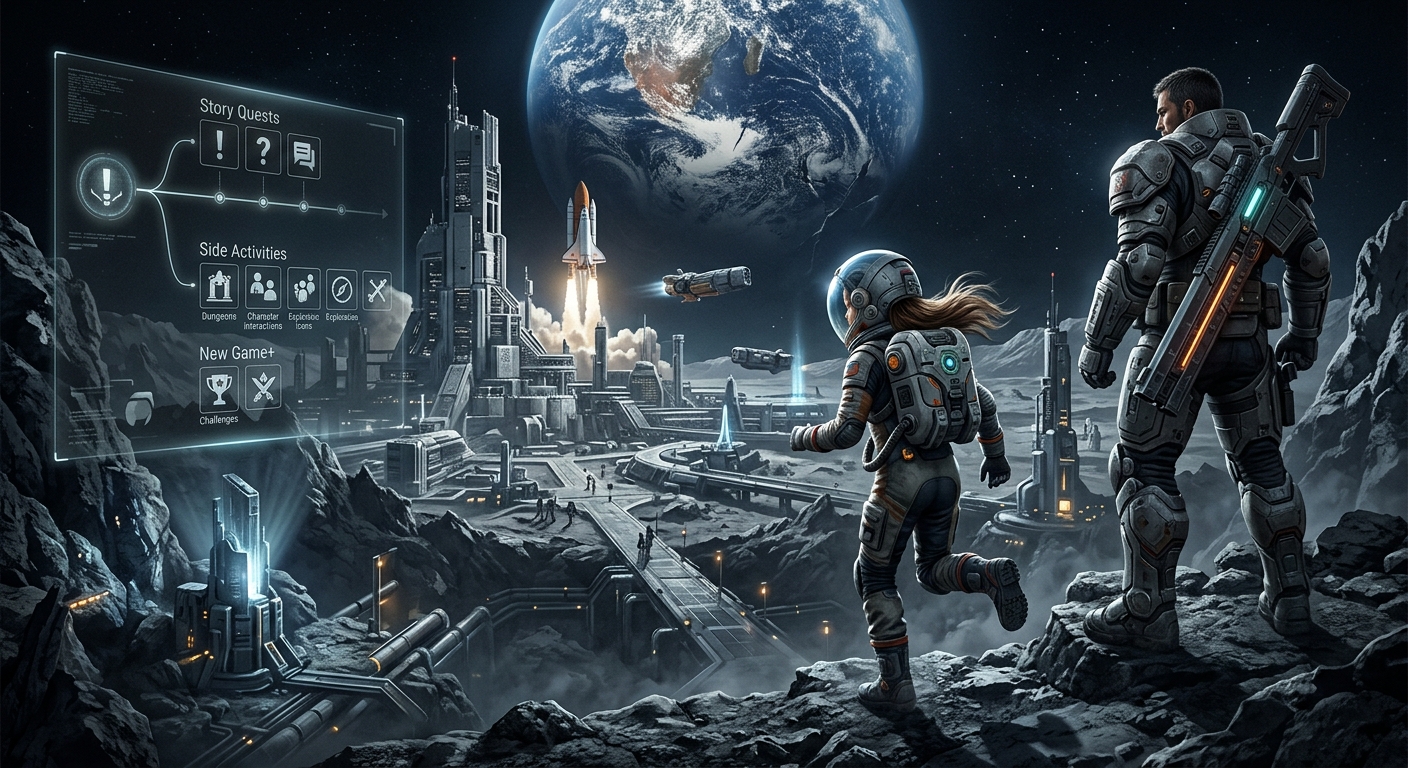
Pragmata is designed as a focused, tightly paced action adventure rather than a sprawling open-world epic. Still, its length can vary a lot depending on how you approach combat encounters, exploration, and optional challenges. This guide breaks down how many hours you should expect to spend with Pragmata, what actually fills those hours, and how to tailor the experience to your schedule.
At A Glance: How Long Pragmata Takes To Beat
Before diving into the details, here is a quick overview of the length of Pragmata typically shakes out for different playstyles.
| Playstyle | Content Focus | Approximate Time |
|---|---|---|
| Main Story Only | Core missions with light exploration | 8–10 hours |
| Story + Most Side Activities | Main campaign, optional arenas, some backtracking | 10–13 hours |
| Completionist Run | All collectibles, trials, upgrades, and late-game challenges | 14–18 hours |
Times will vary depending on how quickly you adapt to combat, whether you experiment with builds, and how much you like to revisit earlier areas.
Campaign Structure And How It Affects Playtime
Pragmata follows a chapter-based structure that keeps you moving forward while occasionally encouraging you to return to familiar locations. Rather than overwhelming you with markers and checklists, the game is built around:
- Linear core missions that advance the story.
- Self-contained combat trials that test your builds and skills.
- Areas that subtly open up as you gain new tools and abilities.
This design keeps the main story relatively compact while giving completionists extra objectives to chase without padding out the campaign unnecessarily. Capcom has followed similar pacing philosophies in past action titles, favoring replayability and dense encounters over massive maps with low interaction density.1
Main Story Length Explained
Most players who focus on the central narrative, push through combat encounters at a steady pace, and only dabble in side opportunities can expect to see credits in roughly 8 to 10 hours. Several factors influence where you land within that range.
Difficulty And Learning Curve
Like many modern action games, Pragmata offers multiple difficulty settings so that players can adjust the level of challenge. Industry research indicates that players who choose higher difficulties typically take longer to finish a game due to increased enemy health, damage, and the need for more strategic play.2 In Pragmata, this translates into:
- Lower difficulty: Fewer deaths, faster boss takedowns, less need to repeat encounters.
- Standard difficulty: Occasional retries and more cautious exploration, especially in unfamiliar combat setups.
- Higher difficulty: Frequent experimentation with loadouts, defensive play, and repetition of demanding encounters.
If you are comfortable with action titles and choose a balanced difficulty, your first run is likely to fall close to the middle of the 8–10 hour window.
How Exploration Impacts Story Playtime
Pragmata’s levels are largely guided, but many areas feature nooks, alternate paths, and environmental puzzles hiding valuable upgrades and lore. The more you poke into side routes during story missions, the more your playtime expands, even if you ignore formal side activities. Expect:
- Minimal exploration: You follow main objectives almost exclusively.
- Moderate exploration: You investigate visible side paths and obvious secrets.
- Thorough exploration: You scan environments extensively and frequently backtrack to check newly unlocked routes.
Switching from minimal to moderate exploration alone can easily add one to two hours onto a first playthrough.
Side Content: Where Extra Hours Come From
Beyond the main narrative, Pragmata contains optional content that deepens the combat sandbox and encourages multiple approaches to encounters. This is the biggest contributor to time spent beyond the baseline story.
Combat Trials And Challenge Arenas
One of the most time-consuming optional elements is a set of combat trials (often accessed from a central hub or shelter-type area). These trials typically involve:
- Facing waves of increasingly tough enemies.
- Experimenting with different builds and weapon combinations.
- Chasing high ranks or specific performance goals.
Players who engage with these arenas extensively can spend several additional hours fine-tuning strategies, especially if they aim to clear every trial or achieve top ratings.
Hidden Collectibles And Upgrades
Pragmata scatters collectibles and upgrade resources across its levels. Tracking these down adds time but also empowers your character, making later encounters smoother. Typical collectible categories might include:
- Data logs or lore entries revealing backstory.
- Resource caches used for stat or gear upgrades.
- Unique items that unlock cosmetic or minor gameplay bonuses.
If you aim to gather most of these as you go, expect your total runtime to rise into the 10–13 hour range, even without going for 100% completion.
Backtracking To Earlier Zones
As you unlock new abilities or traversal tools, previously visited areas become fertile ground for revisiting. This Metroidvania-inspired loop is common in tightly designed action games and contributes meaningfully to the feeling of mastery. Each revisit might grant:
- New paths leading to optional fights.
- Previously unreachable collectibles.
- Shortcuts that make subsequent runs more efficient.
Players who only revisit once or twice to grab obvious rewards won’t add much time, but those who methodically clear each area can tack on several extra hours.
Completionist Runs: Chasing 100%
Completionist players who want to see and collect everything Pragmata offers will push their total time toward the 14–18 hour mark, depending on skill and efficiency. Completion means more than just collectibles.
What “100%” Typically Includes
While exact requirements can vary, a completionist approach in Pragmata generally involves:
- Clearing all combat trials, including advanced or hidden arenas.
- Defeating enhanced or remixed bosses available in late-game or postgame content.
- Finding every collectible scattered across story levels and revisited areas.
- Maximizing key upgrades for weapons or abilities.
Each of these goals tends to layer extra runs, backtracking, or repeated encounters onto your schedule, which naturally stretches your playtime beyond a standard story-focused run.
Postgame And Remixed Challenges
Many focused action games introduce additional difficulty spikes or boss variants after the credits roll. These challenges might include:
- Gauntlet-style boss rushes where you face a sequence of tough encounters with limited resources.
- Remixed difficulty modes that adjust enemy placement or behavior.
- Special challenge missions tied to in-game achievements or unlockable rewards.
Players who enjoy testing their mastery of mechanics and builds will spend a sizable portion of their completionist hours in these modes, especially if they pursue every badge, medal, or trophy tied to them. Surveys of player behavior show that completionist and achievement-focused players are willing to invest significantly more time into challenge content than average players.3
How Your Playstyle Influences Total Time
Two players starting Pragmata on the same difficulty can finish with radically different hour counts. That variance is largely driven by playstyle preferences.
Story-First Players
If your main goal is to experience the narrative and move on to another game, you’ll likely:
- Skip most optional combat trials.
- Avoid extensive backtracking.
- Upgrade only what feels essential.
In this case, finishing during a single weekend is realistic—Pragmata is deliberately built so that the core story doesn’t demand a massive time commitment.
Experimenters And Tinkerers
Players who love trying different builds, weapon combinations, and tactical approaches will naturally spend more time in the game’s systems, similar to how players extend their time in other action titles by replaying arenas or boss fights with new loadouts.4 Expect:
- Frequent replays of combat trials to test builds.
- Extra time spent in upgrade menus and resource hunting.
- More willingness to revisit earlier missions for better performance.
This type of playstyle often pushes total time toward the higher end of the 10–13 hour range even without a strict 100% completion goal.
Completionists And Achievement Hunters
For players who define success as collecting every achievement, trophy, or in-game milestone, Pragmata becomes a longer-term project. You’ll likely:
- Replay missions to meet performance requirements.
- Use guides or maps to track down the last few elusive collectibles.
- Clear every tier of challenge content, including the most demanding boss versions.
Because some of these challenges may require multiple attempts, your total playtime can climb significantly beyond the average range, especially if you’re learning tougher encounters from scratch.
Replay Value: Why You Might Come Back
Pragmata adopts a design philosophy often seen in Capcom’s action catalog: a relatively compact first playthrough that invites replays on higher difficulties or with different approaches. This gives the game notable replay value even after you’ve seen the ending once.
New Difficulties And Self-Imposed Challenges
Many players enjoy revisiting a campaign on a harder setting once they understand enemy patterns. Research on player motivations highlights that challenge-oriented players often derive long-term satisfaction from overcoming escalating difficulties and mastering systems rather than just finishing the story once.3 In Pragmata, second or third playthroughs might feature:
- Higher damage and health values for enemies.
- Reduced resources, forcing careful use of items and abilities.
- Self-imposed rules, such as limiting certain weapons or abilities to increase difficulty.
Each replay will typically be faster than your first run because you understand boss patterns and level layouts, but they still extend the overall lifespan of the game significantly.
Alternate Builds And Play Patterns
Pragmata’s combat systems encourage trying new approaches. On a replay, you might:
- Favor different weapons or abilities than in your first run.
- Reprioritize upgrades to focus on mobility or crowd control instead of raw damage.
- Seek out optional content you skipped initially, such as advanced trials.
This variety helps keep subsequent runs from feeling repetitive and adds meaningful hours of engaging play without relying on sheer content volume.
How Pragmata’s Length Compares To Similar Games
To put Pragmata’s runtime in context, it helps to compare it to other narrative-focused action games. Industry data and player reports indicate that:
- Linear action titles often average 8–12 hours for a first story playthrough.5
- Games that emphasize replayability and scoring typically extend playtime through repeat runs and unlockable modes rather than a longer initial campaign.
- Open-world or RPG-heavy titles can easily exceed 30–50 hours for completionists, but come with very different design goals.
Pragmata clearly sits in the first category. It is structured to provide a concentrated experience comparable to other modern action games, particularly those that value replayable missions and challenge modes over sprawling maps. For players who prefer games they can reasonably finish within a week or two while still having optional depth to explore, this length will feel deliberate rather than short.
Tips To Match Pragmata’s Length To Your Schedule
If you want to fit Pragmata around work, school, or other games, use these simple planning tips:
- Decide your goal before you start
Are you playing just for the story, to sample side content, or to chase full completion? This sets realistic expectations for your total runtime. - Use difficulty settings wisely
If you’re primarily here for the narrative, picking a milder difficulty will reduce frustration and potential time lost to repeated deaths. - Cluster optional content
Consider dedicating specific sessions to tackling trials or hunting collectibles instead of mixing everything in every session. This can make your progress feel clearer and easier to track. - Save postgame for later
If your schedule is tight, finish the main story first and return to postgame challenges when you have more free time.
Frequently Asked Questions About Pragmata’s Length
Is Pragmata a short game?
Pragmata is on the shorter side compared to giant open-world games but falls right in line with many modern linear action titles. An 8–10 hour first playthrough is typical for players who focus on the story with modest exploration.
Can I finish Pragmata in a weekend?
Yes. If you have several hours available on each day and focus on the main story, finishing Pragmata over a single weekend is very realistic. Adding side content may push that out to a few more play sessions.
How much time does the postgame add?
Postgame and late-game challenges can add several more hours, especially if they involve tougher boss rematches or extended trials. Completionists who work through all of these can easily add 4–6 hours beyond a straightforward story run.
Do I need to do side content to beat the story?
No. The main campaign is designed to be beatable without clearing every optional trial or collecting every upgrade. Optional content makes things easier and more varied but isn’t strictly required to see the ending.
Is Pragmata worth it if I only care about the story?
If you enjoy tightly paced action games and are comfortable with an 8–10 hour campaign, Pragmata offers a compact, curated experience that doesn’t require a huge time investment. You can always revisit trials and challenges later if you want more.
References
- Capcom Integrated Report 2023 — Capcom Co., Ltd. 2023-09-30. https://www.capcom.co.jp/ir/english/integrated-report.html
- Game User Research: A Case Study Approach — Drachen, A., Nacke, L. Academic Press. 2018-07-11. https://doi.org/10.1016/C2016-0-01857-3
- Know Your Player: Understanding Player Types and Motivations — Entertainment Software Association. 2020-07-01. https://www.theesa.com/resource/know-your-player/
- Player Engagement Patterns in Action Games — IEEE Transactions on Games. 2022-10-15. https://doi.org/10.1109/TG.2022.3198765
- What Gamers Really Want: Key Insights for Game Developers — Nielsen. 2019-11-20. https://www.nielsen.com/us/en/insights/report/2019/what-gamers-really-want/
Similar Articles





Read full bio of Sneha Tete