
Silksong’s Challenge Divide: Skill or Design?
Hollow Knight: Silksong sparks fierce debates on difficulty—players clash over mastering tough mechanics or calling out potential flaws in Team Cherry's Metroidvania sequel.
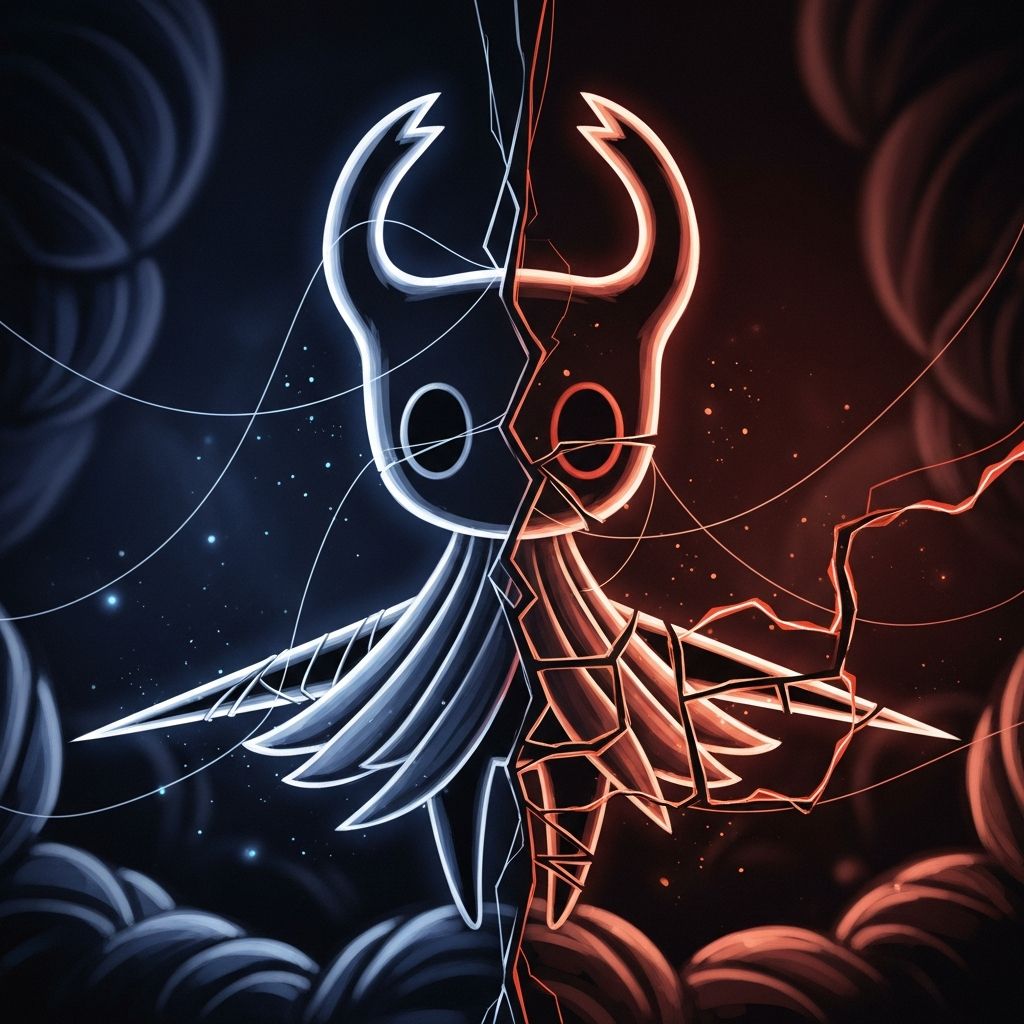
Hollow Knight: Silksong has ignited a firestorm in the gaming world, thrusting players into a battle not just against its enemies, but against each other over the game’s punishing difficulty. Released after years of anticipation, this Metroidvania sequel from Team Cherry promises intricate exploration and razor-sharp combat, yet it has divided its community between those championing the ‘git gud’ mantra and others arguing for more accessible design choices.
The Roots of Silksong’s Notoriety
Building on the legacy of the original Hollow Knight, Silksong introduces Hornet as the protagonist in a vast, interconnected world filled with deadly foes and precarious platforming sections. Early access feedback reveals a game that ramps up the challenge significantly, with boss fights demanding pixel-perfect timing and platforming sequences that punish the slightest misstep. Community forums buzz with tales of hours spent on single encounters, prompting questions about whether this intensity enhances the experience or erects unnecessary walls.
Team Cherry’s design philosophy has always leaned toward unforgiving precision, a hallmark that earned the first game cult status. However, Silksong pushes these boundaries further, leading to widespread reports of frustration even among series veterans. This shift has fueled discussions on platforms like Reddit and Steam, where players dissect every element from enemy patterns to checkpoint placement.
Git Gud: The Battle Cry of the Hardcore
The phrase ‘git gud’—short for ‘get good’—has become the rallying cry for seasoned players defending Silksong’s difficulty. Proponents argue that mastering the game’s mechanics is the true reward, transforming initial struggles into triumphant eureka moments. They point to the original Hollow Knight’s pantheon of brutal bosses, like the Radiance or Pure Vessel, as proof that perseverance pays off.
- Skill Ceiling Benefits: High difficulty encourages deep mechanical understanding, replayability, and personal growth.
- Community Bonding: Sharing strategies and triumphs fosters tight-knit groups of dedicated fans.
- Genre Fidelity: Metroidvanias thrive on challenge, distinguishing them from casual platformers.
These advocates often dismiss complaints as a lack of practice, urging newcomers to hone reflexes through repeated attempts. Videos of flawless runs circulate online, showcasing what’s possible with dedication and reinforcing the idea that the game is fair if you commit.
Voices Calling for Balance: Legitimate Gripes
Not everyone buys into the git gud gospel. A growing chorus highlights potential design shortcomings that go beyond player skill. Critics note that some encounters feel less like tests of ability and more like exercises in trial-and-error, where opaque patterns or unfair hitboxes lead to repeated deaths without clear learning opportunities.
Platforming sections, in particular, draw ire for their relentless pace and minimal margin for error. One common complaint involves environmental hazards that chain-kill players without adequate warning, turning exploration into a grueling endurance test. Combat, while fluid, sometimes overwhelms with enemy swarms that obscure visibility and telegraphing.
| Aspect | Pro-Git Gud View | Critic View |
|---|---|---|
| Boss Design | Patterns reward pattern recognition | Some phases lack clear tells |
| Platforming | Precise controls demand mastery | Hitboxes and speed feel punitive |
| Progression | Gates skill growth | Frustrates casual exploration |
This table illustrates the core schism: what one side sees as intentional rigor, the other perceives as barriers that alienate broader audiences.
Community Toxicity: A Growing Concern
The discourse has taken a darker turn, with ‘git gud’ retorts morphing into outright toxicity. Newer players report being belittled in forums, labeled as unskilled or unworthy of the game’s challenges. Steam discussions reveal threads rife with arrogance, where veterans gatekeep enjoyment, warning that Silksong isn’t for the faint-hearted.
Such attitudes risk harming the game’s reputation and repelling potential fans. Developers like Team Cherry rely on positive word-of-mouth to sustain hype, especially for an indie title. When toxicity dominates, it discourages newcomers from trying, potentially stunting Silksong’s long-term success.
- Examples include mocking posts about death counts or demands for proof of skill before offering advice.
- Mods for easier modes spark further debate, with some hailing them as inclusive and others decrying them as cheating.
Team Cherry’s Stance and Historical Context
Team Cherry has positioned Silksong’s difficulty as comparable to the original, yet player experiences suggest otherwise. Pre-release statements emphasized a balance that “sits alongside” Hollow Knight, but post-launch impressions indicate a steeper curve. Whether this is intentional evolution or unintended oversight remains speculative.
Looking back, Hollow Knight itself faced similar debates, particularly around its Godmaster DLC, which introduced some of gaming’s toughest challenges. Patches eventually refined balance without diluting the core experience, offering hope that Silksong could follow suit.
Modding and Accessibility: Paths Forward
As debates rage, modding emerges as a contentious solution. Community-created tools allow adjustable difficulty, from invincibility cheats to slowed enemy speeds. While purists scoff, these mods enable wider enjoyment, letting players focus on story and exploration.
Advocates for official options push for features like customizable assists—reversible power-ups, more benches, or assist modes seen in modern Soulslikes. Such additions could preserve the challenge for experts while opening doors for all.
Comparing Silksong to Metroidvania Peers
Silksong isn’t alone in its difficulty wars. Games like Dead Cells and Blasphemous balance high stakes with fair design, often through roguelike elements or mercy mechanics. Prince of Persia: The Lost Crown introduced intuitive assists without compromising edge.
| Game | Difficulty Style | Accessibility Features |
|---|---|---|
| Hollow Knight | Punishing, fair | Charms for customization |
| Silksong | Intensified precision | Minimal so far |
| Dead Cells | Roguelite grind | Unlockable buffs |
| Blasphemous | Deliberate brutality | Rosary beads |
This comparison underscores Silksong’s outlier status, potentially benefiting from peer-inspired tweaks.
Player Experiences: Stories from the Frontlines
Anecdotes paint a vivid picture. One veteran clocked 50 hours on a mid-game boss before conquering it, emerging with newfound respect. Conversely, a newcomer quit after repeated platforming failures, feeling the game rejected them outright. These tales highlight how difficulty shapes—or shatters—engagement.
Social media amplifies extremes: speedrunners flaunt sub-hour completions, while rage-quit compilations go viral, fueling the cycle.
Future Prospects: Patches and Beyond
Will Team Cherry intervene? History suggests yes—Hollow Knight received balance updates addressing outlier frustrations. Silksong’s early access phase invites feedback, positioning patches as likely. Potential changes might include refined hitboxes, better visual cues, or optional aids.
Ultimately, the discourse reflects gaming’s evolution. As audiences diversify, developers grapple with preserving identity amid inclusivity demands. Silksong stands at this crossroads, its fate hinging on bridging the divide.
Frequently Asked Questions
Is Hollow Knight: Silksong harder than the original?
Many players find it noticeably tougher, especially in platforming and certain bosses, though Team Cherry aimed for parity.
What does ‘git gud’ mean in gaming?
It’s slang advising players to improve skills rather than complain about difficulty, popularized in challenging genres like Soulslikes.
Are there mods to make Silksong easier?
Yes, community mods offer adjustable difficulty, though using them may affect achievements.
Will Team Cherry patch the difficulty?
Given past updates to Hollow Knight, balance changes are plausible during early access.
Is toxicity ruining Silksong’s community?
Reports indicate aggressive ‘git gud’ comments deter newcomers, harming overall vibe.
References
- Dread it, run from it, Hollow Knight: Silksong gets hit by the difficulty discourse — GamesRadar. 2024-11-20. https://www.gamesradar.com/games/action/dread-it-run-from-it-hollow-knight-silksong-gets-hit-by-the-difficulty-discourse-as-players-cant-decide-if-they-should-git-gud-or-acknowledge-legitimate-issues-team-cherry-has-with-the-metroidvania/
- You Don’t Have To Be Good At Silksong To Enjoy It — TheGamer. 2024-11-25. https://www.thegamer.com/never-going-to-git-gud-silksong-okay-with-that/
- Git Gud or Get Wrecked? The Silksong Difficulty Debate — Game Ignite. 2024-11-22. https://game-ignite.com/games/hollow-knight-silksong-difficulty-debate-SC8wG/
- Gid Gud arrogance :: Hollow Knight: Silksong General Discussions — Steam Community. 2024-11-21. https://steamcommunity.com/app/1030300/discussions/0/596286289747337986/
Similar Articles






Read full bio of medha deb