Slay the Spire 2 Badges: How the New Patch Reinvents Every Run
The latest Slay the Spire 2 beta patch adds run-specific badges, balance tweaks, and visual upgrades that make every climb feel more memorable.
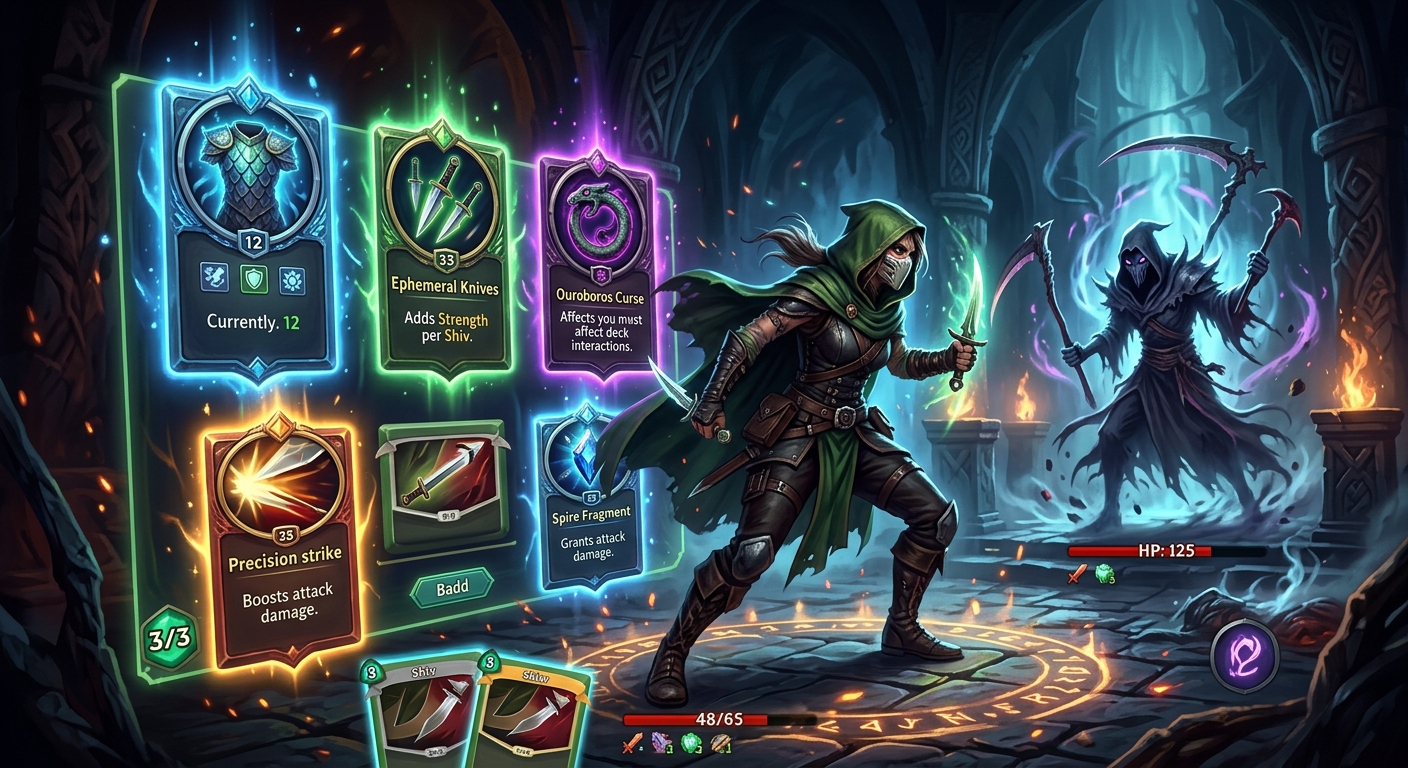
The newest beta patch for Slay the Spire 2 quietly adds one of the most impactful features the series has seen: a badge system that remembers what made each run special. On top of that, the update delivers balance tweaks, card reworks, and visual improvements that collectively sharpen this already-beloved roguelike deckbuilder.
This article breaks down what the badges are, how they work, why they matter for a roguelike game, and what else is changing under the hood in the latest patch.
What the New Patch Tries to Solve
Roguelike games rise or fall on how memorable each individual run feels. Once the credits roll on a failed (or successful) climb, it’s easy to forget the strange chains of luck, risk, and strategy that got you there. Modern roguelikes have tried multiple ways to address this, including:
- Permanent progression systems that unlock new content between runs
- Persistent stats screens showing win rates, favorite characters, and kill counts
- In-game journals or lore entries that document key milestones
Slay the Spire 2 already follows that trend with its meta-progression and detailed run summaries, but the developers at Mega Crit clearly felt something was still missing: a light-touch way to celebrate what made each climb unique, without burying players in spreadsheets.
The result is the new end-of-run badges feature, which acts as a compact highlight reel for your most notable moments.
Badges: Personalized Highlights for Every Run
Badges are small icons and labels that appear at the end of a run, summarizing distinctive events or accomplishments from that specific attempt. Rather than being permanent achievements that unlock once per account, they are run-specific markers that change every time you play.
How Badges Work at the End Screen
At the conclusion of a run—whether you conquer the Spire or fall just short—the results screen now includes a row of badges that reflect what happened during the climb. These can highlight both impressive feats and amusing blunders.
Examples of what badges can reflect include:
- Flawless victories against bosses, where you took no damage throughout the fight
- Speedy clears where you finished the run unusually fast compared to typical attempts
- Economic oddities, such as hoarding gold and leaving merchants empty-handed
- Discovery moments, like hitting specific Easter eggs or rare encounters
These don’t replace achievements or trophies; instead, they act like a quick narrative summary: a snapshot of what your deck did, what you risked, and how your choices shaped the journey.
Badges vs. Traditional Achievements
| Feature | Badges | Traditional Achievements |
|---|---|---|
| Scope | Applies to a single run | Applies to the whole account |
| Frequency | Granted after every run | Granted once per unique goal |
| Purpose | Tell the story of that run | Track long-term milestones |
| Emotional impact | Highlight funny or unusual events | Reward major goals or skill mastery |
| Progression impact | Purely descriptive (no unlocks) | May unlock cosmetic or gameplay rewards |
By designing badges as a per-run story system, Mega Crit avoids achievement fatigue while still giving players a reason to reflect on what just happened.
Why Run-Specific Badges Matter in a Roguelike
Roguelikes rely on repetition: you’ll lose countless runs while slowly improving your skill and understanding. In that loop, it’s easy for individual attempts to blur together—especially when a game encourages hundreds of hours of play. Badges help combat that blending in several ways.
Memory Hooks for Your Best (and Worst) Decisions
Cognitive psychology research shows that specific, emotionally charged details make events easier to remember. Even small visual cues tied to those moments can act as memory hooks that bring the whole story back to mind.1 Badges tap into this by encoding distinctive situations—like a zero-damage boss kill or a reckless shopping spree—into easy-to-scan icons and titles.
When you glance at a past run’s badges, you’re more likely to recall:
- Which build you were experimenting with
- What relic or card choices made the difference
- Where a single decision turned the tide of the run
That recollection isn’t just sentimental; it can reinforce learning. Remembering why a strategy worked—or failed—helps players make better decisions in future climbs.
Gentle Encouragement Instead of Punishment
Importantly, badges are framed as celebrations and reminders, not judgments. Even when they highlight something suboptimal—like refusing to spend gold—they do so with a playful tone. This kind of positive framing aligns with broader game design trends that reward exploration and learning rather than harshly punishing mistakes.2
For a game that can be brutally difficult on high ascension levels, having the end screen say “here’s what made that run interesting” can soften the blow of failure and keep players motivated.
Where Badges Are Headed Next
Right now, badges appear only on the end-of-run screen. However, the developers have indicated they intend to surface them more prominently in the future.
Planned Integration with Run History
Mega Crit has confirmed that badges will be integrated into the game’s run history and stats screens in a future update.3 That means you’ll eventually be able to look back over a long list of attempts and instantly see key highlights at a glance.
Potential uses for this expanded integration include:
- Tracking build experiments: Spot patterns in which badges show up with certain characters or deck types
- Sharing stories: Quickly point to memorable runs when talking with friends or the community
- Self-improvement: See how often you achieve flawless fights, fast clears, or economic milestones
Because the game remains in beta, there’s room for the system to evolve based on player feedback. Additional badge categories, visual styles, or filters could appear as the design matures.
Beyond Badges: Key Balance and System Changes
While badges are the headline feature, the patch also includes notable balance updates and system tweaks that affect how each run plays out.
Ascension Modifier Shake-Ups
One of the most visible changes concerns the game’s Ascension modifiers—the stacking difficulty modifiers that challenge experienced players. An earlier modifier related to rest-site availability has been replaced with a new one focused on card removal costs.
- The retired modifier restricted access to rest sites, making healing and upgrading harder.
- The new modifier, tentatively labeled an “inflation” style effect, significantly increases the price of removing cards from your deck, with costs escalating each time you use the service.
This change shifts the challenge away from route restriction and toward economic pressure. It forces players to weigh the long-term benefit of purging weak cards against the opportunity cost of spending precious gold on relics or powerful new options.
Card and Relic Rebalancing
The patch also introduces a series of buffs, nerfs, and reworks across different characters and card types. These adjustments aim to keep a variety of strategies viable while toning down outliers or unfun patterns. Examples include:
- Shiv-style archetypes receiving small buffs to keep them competitive with other builds
- Card-removal strategies being deliberately constrained by higher merchant costs at certain difficulty levels
- Power cards whose interactions created inconsistent outcomes being clarified or reworded
Incremental balance passes like this are common in live games and Early Access titles. In Slay the Spire 2’s case, they help refine the delicate balance between randomness and agency that defines a good roguelike deckbuilder.
Visual and UX Improvements
Alongside systemic changes, the patch rolls out new art and visual effects for several cards and status effects. Some of the more confusing afflictions now have clearer animations and visual feedback, making it easier to understand what’s happening in the heat of combat.
Small user experience upgrades—like better card portraits, clearer tooltips, and more readable status icons—may seem minor, but they significantly improve long-term playability. Research on player usability and cognitive load shows that reducing visual clutter and ambiguity helps players maintain focus and make better decisions in complex games.4
How to Access the Beta Patch
The patch, including the badge system, is currently available on the game’s beta branch via Steam. Players who want to try it early can switch branches and provide feedback, while others can remain on the main version until the changes are fully tested and rolled out.
Joining the Beta Branch on Steam
To opt into the beta:
- Open your Steam Library.
- Right-click Slay the Spire 2 and select Properties.
- Navigate to the tab for game versions and betas.
- Select the appropriate beta branch from the drop-down list.
- Wait for the game to update, then launch as usual.
Mega Crit uses this beta channel to trial new systems and fixes before merging them into the main build, a common approach among developers of live games and Early Access titles.5
Why This Patch Matters for Roguelike Fans
On paper, the badge system might sound small: it doesn’t change how cards are played or how enemies behave. In practice, it touches something core to the roguelike experience: how we remember our runs.
By turning ephemeral moments into visible markers, the update:
- Makes each climb feel more personal and story-driven
- Encourages reflection on strategies and outcomes
- Softens the sting of failure with playful recognition
- Creates a foundation for richer run histories and stat tracking
Combined with ongoing balance patches and visual refinements, the badges system signals that Slay the Spire 2 is not just iterating mechanically on its predecessor. It’s also exploring how to better support the human side of roguelikes: memory, emotion, and the stories we tell about our luckiest draws and worst mistakes.
Quick Patch Summary
- New badge system highlights unique events at the end of each run.
- Badges are run-specific, not permanent account-wide achievements.
- Future plans include integrating badges into run history and stats.
- Ascension modifiers reshuffled, with an emphasis on card removal costs.
- Balance changes adjust cards, relics, and certain enemy encounters.
- Visual updates and UX improvements clarify status effects and card behavior.
- Patch available now on the Steam beta branch, with a full rollout to follow.
FAQ: Slay the Spire 2 Badges and the New Patch
Do badges unlock anything in Slay the Spire 2?
No. Badges are descriptive markers for each run, not progression systems. They currently do not unlock cards, relics, or cosmetics; they simply highlight notable moments at the run’s end.
Are badges the same as achievements or trophies?
They’re different. Achievements are tied to your account and are usually earned once per objective. Badges refresh every run and describe what happened in that particular attempt, even if it’s something you’ve done many times before.
Can I see badges for older runs?
Right now, badges mainly appear on the end-of-run screen. The developers have indicated they plan to expose them in run history and stats screens in a future update, so long-term tracking should improve over time.
Is the new patch only on PC?
The badge system and patch are currently distributed via the Steam beta branch, which is PC-focused. As with many Early Access updates, broader platform support typically follows once features are stable and integrated into the main build, though specific timelines may vary by platform.
Will badges affect game balance or difficulty?
Badges themselves do not change how enemies behave, how cards work, or what rewards you receive. They’re a presentation and tracking feature. However, the same patch that adds badges also includes balance changes, so runs may feel different overall because of those separate adjustments.
References
- Slay the Spire 2 – Beta Patch Notes — Mega Crit / Steam Community. 2025-04-02. https://steamcommunity.com/app/2868840/allnews/
- Slay the Spire 2 adds end-of-run badges in new beta patch — Games.gg News. 2025-04-XX. https://games.gg/news/slay-the-spire-2-adds-end-of-run-badges-in-new-beta-patch/
- Slay the Spire 2 nerfs card removal, buffs shivs, and adds a new badges system — PCGamesN. 2025-04-XX. https://www.pcgamesn.com/slay-the-spire-2/patch-notes-badges
- Games User Research — IGDA Games User Research SIG. 2023-07-01. https://igrs.sig.igda.org/
- Steamworks Documentation: Beta Participation — Valve / Steamworks. 2024-03-15. https://partner.steamgames.com/doc/store/applicationbeta
Similar Articles








Read full bio of medha deb