Tomodachi Life: Living the Dream’s Wild Mii Creativity
How Tomodachi Life: Living the Dream and improvised styluses turn Mii making into one of the Nintendo Switch’s funniest creative pastimes.
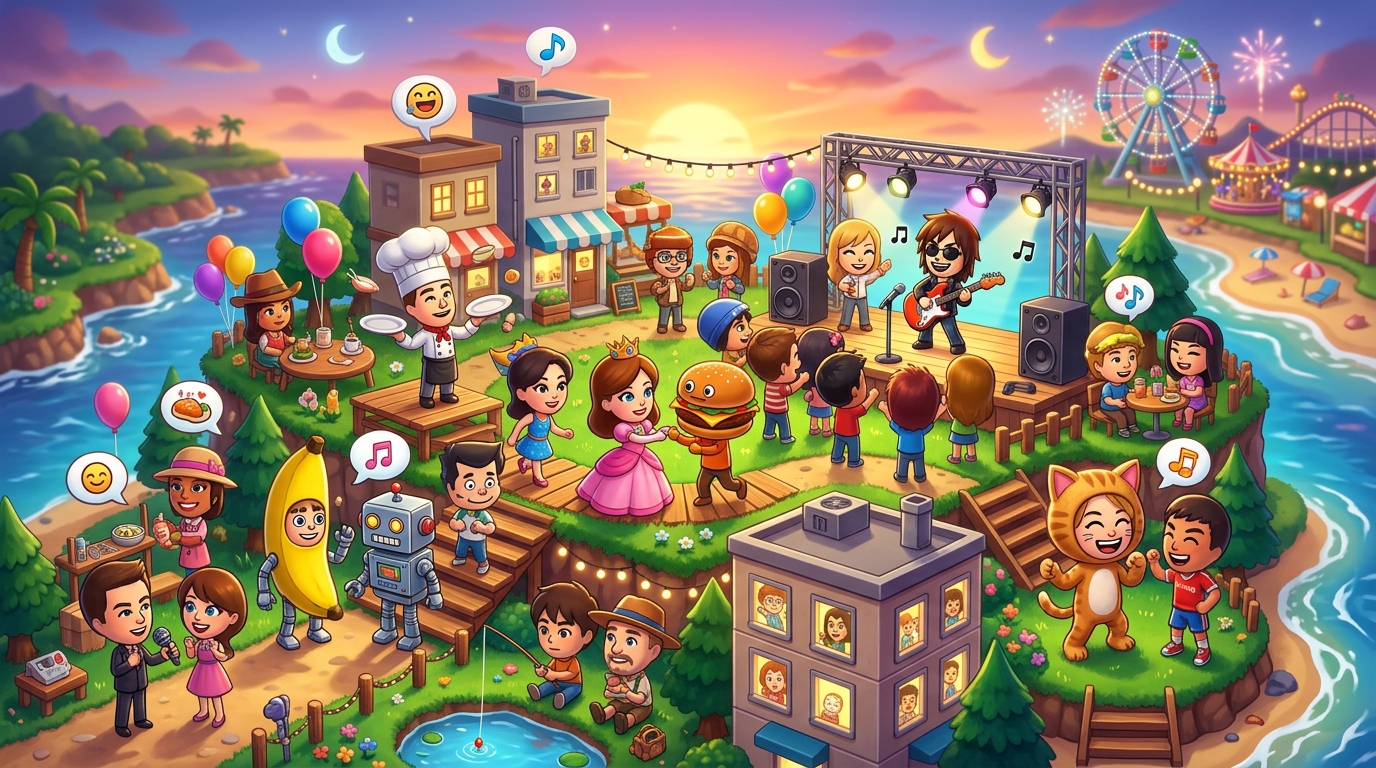
Tomodachi Life: Living the Dream has quickly become more than just another life-sim on Nintendo Switch. It’s a chaotic social sandbox where Miis feud, fall in love, and burst into bizarre musical numbers. Yet the part that has captured the internet’s attention most is surprisingly simple: the act of creating those Miis in the first place. From inventive facial sliders to people using carrots, chip bags, and other everyday items as makeshift styluses, Mii customization has become a performance all its own.
This article explores why players are so obsessed with Mii creation in Tomodachi Life: Living the Dream, how the game builds on Nintendo’s long history with Miis, and why social media is overflowing with customized characters and improvised control methods. We’ll also look at the broader context of stylus use on the Switch and the way fans are treating character creation as a kind of collaborative comedy.
From Simple Avatars to Bizarre Island Residents
Miis began life on the Nintendo Wii as simple avatars: rounded faces, a handful of hairstyles, and a small set of expressions you could use in games like Wii Sports or Mario Kart. They were never meant to be hyper-detailed recreations so much as recognizable caricatures you could drop into various titles. Over time, though, players discovered just how much they could push this limited toolkit, building celebrities, fictional characters, and surreal creations that spread across message boards and social networks.
Tomodachi Life on Nintendo 3DS took that concept further by dropping Miis into a surreal life-sim where your creations could become roommates, rivals, or bandmates. Tomodachi Life: Living the Dream on Switch is the spiritual successor that updates the formula with more customization, more social features, and a modern platform that makes sharing creative chaos much easier.
What’s changed is not just the number of sliders or hairstyles available, but the way the entire creation process is framed. The game actively encourages experimentation: you can quickly swap features, preview expressions, and mix-and-match elements that are clearly designed to look more absurd than realistic. Players aren’t just making Miis; they’re setting up the cast of a sitcom that will unfold in real time.
Why Mii Creation Feels So Addictive
Several design choices make Mii creation in Living the Dream unusually compelling:
- Fast iteration: You can adjust a feature and see the result immediately, which encourages playful experimentation.
- Exaggerated features: Many hair, eye, and mouth options are slightly cartoonish, inviting caricature over realism.
- Expressive animations: Miis react as you work on them, giving instant feedback on their personality.
- Integration with gameplay: These aren’t static avatars; they’ll star in the game’s skits, dreams, and musical sequences.
All of this helps explain why players sink hours into the Mii creator before they even engage with the rest of the game. The creator becomes its own toy box inside the larger simulation.
The Joy of Improvised Styluses
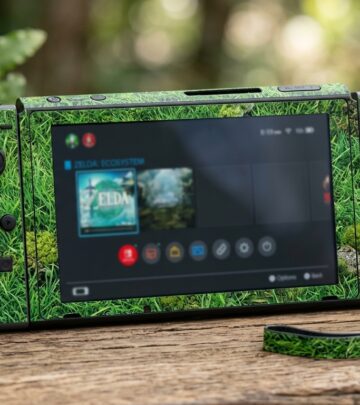
The Switch uses a capacitive touchscreen, similar to modern smartphones, meaning it responds to conductive objects like a finger or specially designed stylus. Nintendo itself sells official styluses for certain titles; for example, the company released a branded stylus to complement Super Mario Maker 2 and other touch-heavy games.1 However, many players either don’t own a stylus or forget to use one, instead discovering that random household objects can work surprisingly well.
Fans of Tomodachi Life: Living the Dream have leaned into this discovery, posting clips of themselves using unconventional tools to fine-tune tiny facial features: flipped chip bags, snack packaging, and even vegetables. The humor isn’t only in the absurdity of using a carrot to sculpt someone’s eyebrows; it’s the natural evolution of a community that loves to turn everything into a bit.
How Capacitive Screens Enable These Hacks
Capacitive touchscreens detect changes in an electrostatic field when a conductive object, such as a human finger, makes contact. Specialized passive styluses mimic this behavior by including conductive materials at the tip.2 In theory, any object that can carry a small electric charge—often with the player’s hand providing a path—can be repurposed as a stylus.
That’s why, with enough creativity (and sometimes aluminum foil or conductive coatings), objects like bags of chips or food items can be coaxed into registering on the screen. The technical underpinning isn’t new, but Tomodachi Life: Living the Dream has become a showcase for how far people will go to gain an extra bit of precision, or just a laugh, while building their island residents.
| Stylus Type | Precision | Cost | Risk to Screen | Fun Factor |
|---|---|---|---|---|
| Official Nintendo or licensed stylus | High | Medium | Low | Moderate |
| Generic capacitive stylus | Medium–High | Low | Low–Medium | Low |
| Finger | Medium | None | Low | Low |
| Improvised objects (e.g., chip bags, carrots) | Unpredictable | None | Medium–High | Very High |
While these improvised styluses make for hilarious clips, they also hint at something deeper: players are willing to push the boundaries of how they interact with a game if it makes the experience feel more personal and shareable.
Why Tomodachi Life’s Mii Maker Is So Shareable
Social media is dominated by visuals and short clips. Games with strong customization suites naturally thrive because they produce screen-worthy content with minimal friction. Tomodachi Life: Living the Dream fits this mold perfectly. The combination of expressive Miis, comedic life-sim scenarios, and player-authored stories makes every island feel unique—and ripe for posting.
Elements That Boost Shareability
Several features of the game make it especially easy to turn Mii creation into online entertainment:
- Clearly visible changes: Small adjustments to noses, eyes, or mouths can radically alter a Mii’s mood, which shows up well in screenshots and clips.
- Reactions and animations: Miis don’t just sit there—they fidget, blink, and react, providing natural comedic timing.
- Context from the wider game: Once created, Miis perform songs, act in skits, or engage in dramatic arguments that give narrative context to their design.
- Easy capture tools: The Switch’s built-in screenshot and video capture make documenting the process straightforward.3
Because of this, the line between “playing a game” and “creating content” blurs. Many fans start with the intention of quietly tweaking a character and end up with a highlight reel of absurd moments to share with friends or followers.
Simulation, Comedy, and the Appeal of Digital Drama
Life simulation games have a long history of giving players just enough control to feel responsible for their characters, while allowing enough randomness to keep outcomes surprising. Franchises like The Sims or Animal Crossing show how powerful this mix can be: players become attached to their virtual residents, even as the game throws unexpected events at them.
Tomodachi Life: Living the Dream leans heavily into comedy. Instead of slow-burn home decoration or long-term career arcs, your Miis might suddenly confess their love, form improbable bands, or get into melodramatic arguments. The Mii creator is the front door to this chaos. The more exaggerated and distinctive your characters are, the more entertaining the resulting drama becomes.
Character Creation as Collaborative Storytelling
What sets this game apart is the sense that players aren’t just customizing avatars—they’re casting a show. Friends and internet strangers alike contribute ideas: “Make a Mii that looks like this meme,” “Recreate this singer,” or “What if your landlord and your favorite streamer shared an apartment?”
Some common approaches players take include:
- Self-insert islands: Filling the island with friends, family, and coworkers to see how the game exaggerates their relationships.
- Theme islands: Choosing a theme (e.g., movie villains, pop stars, historical figures) and committing fully.
- Meme islands: Building Miis that resemble viral images, cartoonish trends, or in-jokes from specific online communities.
These approaches turn Mii creation into collaborative storytelling. The community supplies prompts, the creator uses the tools to interpret them, and the game’s simulation layer adds chaos that nobody fully controls.
Practical Tips for Next-Level Mii Creation
Whether you’re playing for your own amusement or planning to share your island online, a few practical techniques can help you get more out of the creator. These aren’t strict rules, but they can guide your experimentation.
1. Focus on Silhouette First
Before obsessing over tiny details, try to get the overall silhouette right. Ask yourself what makes this character recognizable at a glance—do they have a distinctive hairstyle, a particular jaw shape, or a characteristic posture? Lock those big elements in first; smaller tweaks will feel much easier once the basic outline is recognizable.
2. Use Exaggeration Strategically
Because Miis are stylized, subtlety can sometimes get lost. Don’t be afraid to exaggerate features slightly:
- Make eyes a touch larger or smaller than in reality to emphasize personality.
- Push eyebrows higher or lower to strengthen expressions.
- Use more saturated hair or clothing colors to separate characters visually.
The goal isn’t photo-realism; it’s recognizability and comedic potential.
3. Test Expressions Early
It’s easy to create a Mii that looks good in a neutral pose but becomes uncanny once they smile or frown. Flip through different expressions while you work—squints, wide smiles, side glances. If a character remains appealing (or intentionally ridiculous) in multiple poses, you know the design will hold up during in-game events.
4. Prioritize Screen Safety Over Stylus Gags
Improvised styluses are funny, but they do come with risks. Hard or sharp objects can scratch the display, and dirty surfaces can leave residue. Official advice from Nintendo and other touchscreen manufacturers emphasizes using clean, soft-tipped styluses or your finger to protect capacitive screens from long-term wear.2 Consider keeping the more outlandish stylus experiments for offline jokes unless you’re confident you can protect the screen with a case or screen protector.
5. Think About How Characters Will Interact
Don’t design Miis in isolation. Imagine how they’ll look standing next to each other in-game. A cast works best when characters contrast: tall vs short, reserved vs flamboyant, bright vs muted palettes. Design with these dynamics in mind and your island stories will naturally feel more varied and entertaining.
Why Fans Keep Coming Back to the Island
Once the initial wave of excitement around a new game settles, titles with strong user-generated content often continue to thrive. They offer players a sense of ownership, giving them reasons to revisit and expand on what they’ve built. Tomodachi Life: Living the Dream belongs to this category.
Players return not just to unlock new items or see more events, but to refine their cast and share new scenarios. The game slots neatly into a larger landscape of simulation titles that emphasize long-term engagement through creativity and social sharing. Market research on video games has consistently found that social connectedness and self-expression are key motivators for many players, especially in games with creation tools and online communities.4
As more people post their islands and Mii-making antics, newcomers gain a richer sense of what’s possible. This creates a feedback loop: impressive or absurd creations inspire others to push the tools further, which leads to even more content.
Frequently Asked Questions
Is a stylus required to enjoy Tomodachi Life: Living the Dream?
No. The game is fully playable with the standard Switch controls and your finger on the touchscreen. A stylus can help with fine adjustments to facial features but isn’t mandatory.
Are improvised styluses safe for the Nintendo Switch screen?
Not always. While some conductive objects can technically work, anything hard, sharp, or dirty risks scratching or damaging the display. It’s safer to use a soft-tipped capacitive stylus and a screen protector.
Can I share screenshots and videos of my Miis directly from the Switch?
Yes. The Switch includes dedicated capture buttons that let you take screenshots and short video clips, which you can then transfer or share via connected services.3 Many players use this to document their Mii creation process and in-game events.
How does Tomodachi Life: Living the Dream compare to traditional life-sim games?
It focuses less on realistic daily routines and more on exaggerated, comedic scenarios. Instead of carefully managing careers or home layouts, you’re primarily watching your Miis navigate absurd dramas, musical performances, and surreal dreams.
Do I need to know the original Tomodachi Life to enjoy this game?
No prior experience is required. Returning fans will recognize the tone and structure, but new players can jump in easily. The Mii creator and early events are designed to introduce the game’s core ideas without assuming you’ve played the 3DS original.
Conclusion: A Creative Playground Disguised as a Life-Sim
Tomodachi Life: Living the Dream offers a bizarre, comedic take on life simulation, but its heart lies in creative character design. The Mii creator, combined with the Switch’s touchscreen, becomes a kind of digital sketchbook where players invent exaggerated versions of people they know—or people they wish they knew.
The culture that has formed around improvised styluses and outrageous character designs shows just how much joy players find in bending the rules. While official accessories provide the safest experience, the popularity of household-item styluses speaks to a wider truth: when a game encourages experimentation and self-expression, fans will find ways to make the experience uniquely their own.
As long as players continue to share their islands, their Miis, and their ridiculous touchscreen hacks, Tomodachi Life: Living the Dream will remain less a solitary simulation and more a shared stage for collaborative comedy.
References
- Nintendo Switch – OLED Model: Features — Nintendo. 2021-07-06. https://www.nintendo.com/switch/oled-model/
- Human Interface Device: Touch Panel — Rohm Semiconductor. 2020-03-31. https://www.rohm.com/electronics-basics/human-interface-device/touch-panel
- Using Nintendo Switch Capture Features — Nintendo Support. 2017-10-20. https://en-americas-support.nintendo.com/app/answers/detail/a_id/22467
- Gamers Are Social People: The Social Accomplishments of Video Game Players — Nick Yee, Daedalus Project / Proceedings of the 2014 ACM conference on Computer supported cooperative work. 2014-02-15. https://doi.org/10.1145/2531602.2531613
Similar Articles






Read full bio of Sneha Tete