Top Horror Games with Proximity Chat
Experience spine-chilling terror in multiplayer horror games where proximity voice chat heightens the fear with friends.
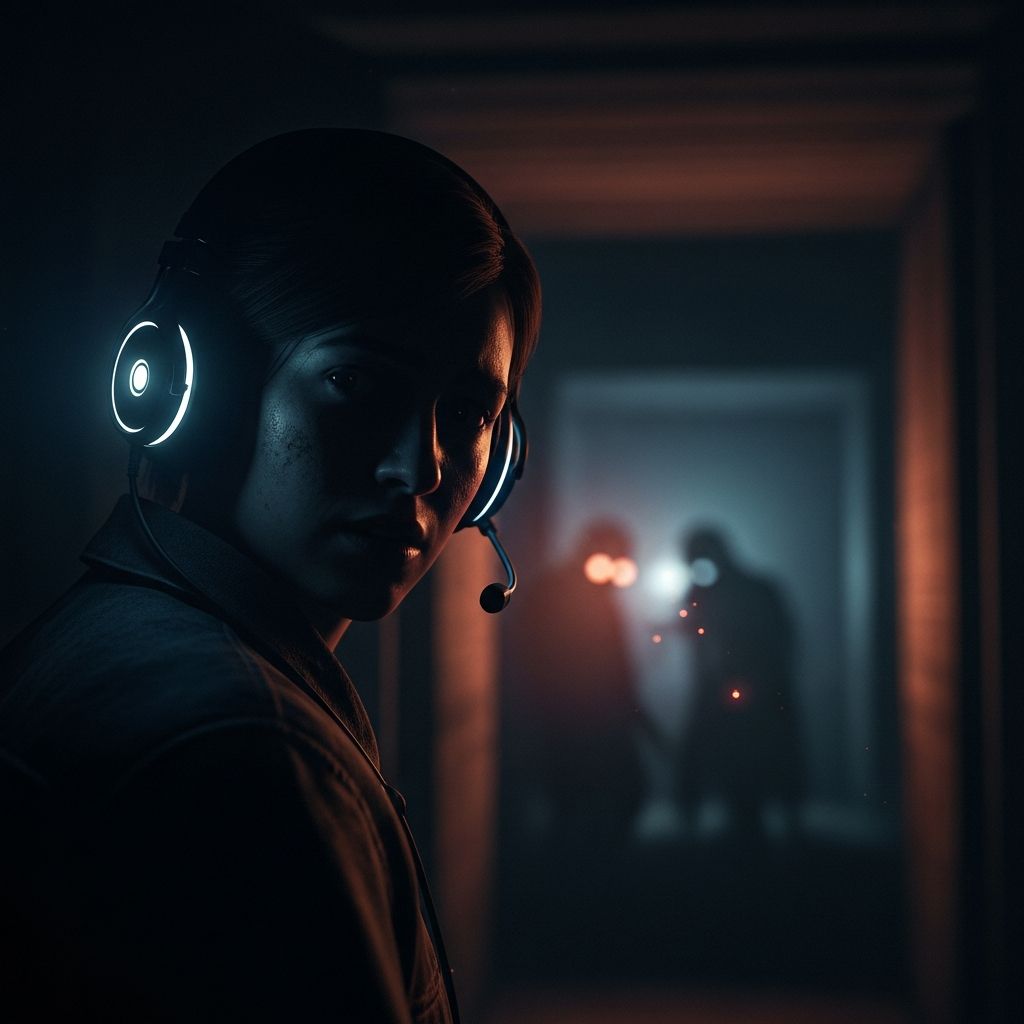
Proximity voice chat transforms multiplayer horror games into intensely personal nightmares. In these titles, your friends’ panicked whispers or screams echo realistically based on in-game distance, making every shadow and sound feel immediate and shared. This mechanic fosters genuine teamwork amid chaos, turning solo fears into collective dread. As gaming evolves in 2026, these experiences stand out for their ability to blend spatial audio with terrifying atmospheres.
Why Proximity Chat Elevates Horror
Traditional voice chat lacks the nuance of proximity systems, where audio fades with distance, mimicking real-life communication. This creates immersion: distant teammates sound muffled, while nearby panic is deafening. Games leverage this for tension—monsters react to noise, forcing hushed strategies that break under stress. The result? Unscripted moments of hilarity and horror that no single-player title can match.
- Realistic Sound Design: Spatial audio simulates environments, enhancing disorientation.
- Team Dynamics: Communication limits build reliance on visual cues and quick decisions.
- Replayability: Friend reactions ensure fresh scares each session.
Phasmophobia: The Ghost Hunting Benchmark
Phasmophobia sets the gold standard for proximity chat horror. Players investigate haunted locations as paranormal investigators, using tools like EMF readers and spirit boxes to identify ghosts. Voice proximity means ghosts hear and respond to spoken words, cursing or hunting noisier players. Up to four investigators per match navigate creaking houses, where flashlights flicker and doors slam unpredictably.
The game’s asymmetrical fear shines in co-op: one player might lure a ghost while others gather evidence. Procedural generation ensures varied layouts, from cozy farmhouses to sprawling prisons. Community mods add custom ghosts, extending longevity. Its influence spans years, with updates keeping it fresh amid rising indie horror trends.
Lethal Company: Moon Mining Mayhem
Lethal Company flips horror into absurd survival. Crews land on abandoned moons, scavenging scrap under quotas while evading grotesque creatures. Proximity chat captures frantic loot calls and screams as monsters like the Jester or Thumper close in. Distant voices muffle amid industrial hums, heightening isolation until a teammate’s yell pierces the void.
Randomized facilities brim with hazards: collapsing floors, eyeless dogs, and bracken stalkers that mimic players. Quota pressure forces risky dives, with ship turrets adding betrayal potential. The mix of dark humor and jump scares makes it ideal for groups seeking laughter amid terror.
Content Warning: Viral Terror Tapes
Content Warning tasks friends with filming monsters for internet fame. Armed with cameras, players delve into forbidden zones, capturing footage while proximity chat relays sightings. Whispers warn of approaching horrors; screams alert everyone as cams roll. Success uploads clips to a shared feed, unlocking gear like better lenses.
The meta-layer—viewing group “videos” post-death—amplifies hilarity. Short sessions suit quick plays, but escalating depths introduce deadlier foes. It’s a fresh take on found-footage horror, where clunky recording mechanics mirror real panic.
Devour: Cult Ritual Nightmares
Devour plunges players into demonic cults, performing rituals to banish possessions. Proximity chat coordinates item hunts and goat-head placements amid spider swarms and fiery apparitions. Noise draws enemies, so silent scavenging gives way to desperate shouts. Maps like the possessed farm evoke folk horror with branching objectives.
Multiple cults offer variety: satanic altars or haunted asylums. Permadeath ramps tension, punishing reckless teams. Its straightforward co-op shines in escalating difficulty, perfect for escalating Friday nights.
Pacify: Dollhouse Terrors
Pacify delivers frantic chases in cursed buildings. Teams burn dolls haunted by a witch, using maps and lighters while her wails echo via proximity. Distant teammates sound ghostly; close ones convey raw fear. Multi-floor layouts demand splitting up, with possession mechanics turning players against each other.
Simple objectives belie deep strategy: baiting the witch or securing exits. Expansions add forests and ships, diversifying scares. It’s accessible yet punishing, ideal for newcomers.
Demonologist: Ritualistic Haunts
Demonologist echoes Phasmophobia with deeper lore. Investigators exorcise demons using safewords and rituals, where voice chat interacts directly with entities. Proximity muffles curses in vast manors, amplifying solo dread. Evidence types like freezing temps or shadowy figures require debate.
Unique twists include child ghosts and sanity drains. High-fidelity graphics and sound design make it a visual upgrade, rewarding dedicated sleuths.
In Silence: Blind Monster Hunts
In Silence casts one player as a blind creature, tracking sounds from proximity-chatting victims. Survivors navigate snowy woods silently, whispering directions. The beast’s roars grow with proximity, forcing stealth. Objectives like fixing generators build to escapes.
Asymmetry creates cat-and-mouse thrill; mic discipline is key, as footsteps betray. Short rounds ensure replayability.
Comparing Key Features
| Game | Player Count | Core Mechanic | Unique Proximity Twist |
|---|---|---|---|
| Phasmophobia | 1-4 | Ghost ID | Ghosts react to voice |
| Lethal Company | 1-4 | Scrap Quotas | Muffled ship comms |
| Content Warning | 1-4 | Filming | Recording screams |
| Devour | 1-4 | Rituals | Noise attracts demons |
| Pacify | 1-4 | Doll Burning | Witch chases noise |
Getting Started Tips
Optimize setups for peak terror:
- Use headsets with spatial audio for true immersion.
- Start in dark rooms with low lighting to match game atmospheres.
- Assign roles: one navigator, others on tools.
- Practice mic discipline—whispers save lives.
Future of Proximity Horror
2026 promises VR integrations and AI-driven monsters adapting to voice patterns. Cross-platform play expands friend groups, while procedural audio refines realism. These evolutions ensure proximity chat remains horror’s killer feature.
Frequently Asked Questions
What is proximity chat in games?
Proximity chat simulates real-world audio, where voices fade based on virtual distance, enhancing multiplayer immersion.
Do all these games require a microphone?
Yes, mics are essential for full experience, as chat drives communication and often game events.
Are these games cross-platform?
Many like Phasmophobia and Lethal Company support cross-play between PC and consoles.
Can I play solo?
Most offer single-player modes with AI or bots, but co-op maximizes scares.
What’s the scariest game for beginners?
Pacify offers simple mechanics with quick rounds to ease into horror.
References
- Best Horror Games with Proximity Voice Chat in 2026 — FEEDERS Blog. 2026-01-15. https://playfeeders.com/blog/best-horror-games-proximity-voice-chat/
- The Best Co-Op Horror Games To Put Friendships To The Test — GameSpot. 2025-10-20. https://www.gamespot.com/gallery/best-co-op-horror-games/2900-7342/
- Best Horror Games That Use Your Mic — Hardcore Gamer. 2025-11-05. https://hardcoregamer.com/horror-games-use-mic/
- Best Horror Games With Proximity Chat — GameRant. 2026-02-10. https://gamerant.com/best-horror-games-proximity-chat/
- Top 10 Best Co-Op Horror Games to Survive With Friends — Green Man Gaming Blog. 2025-10-25. https://www.greenmangaming.com/blog/best-co-op-horror-games-survive-with-friends-halloween-beyond/
Similar Articles








Read full bio of Sneha Tete