Top RPGs With Romance That Truly Shape Your Story
Explore the best modern RPGs where love, loyalty, and heartbreak sit alongside combat, quests, and world‑saving decisions.
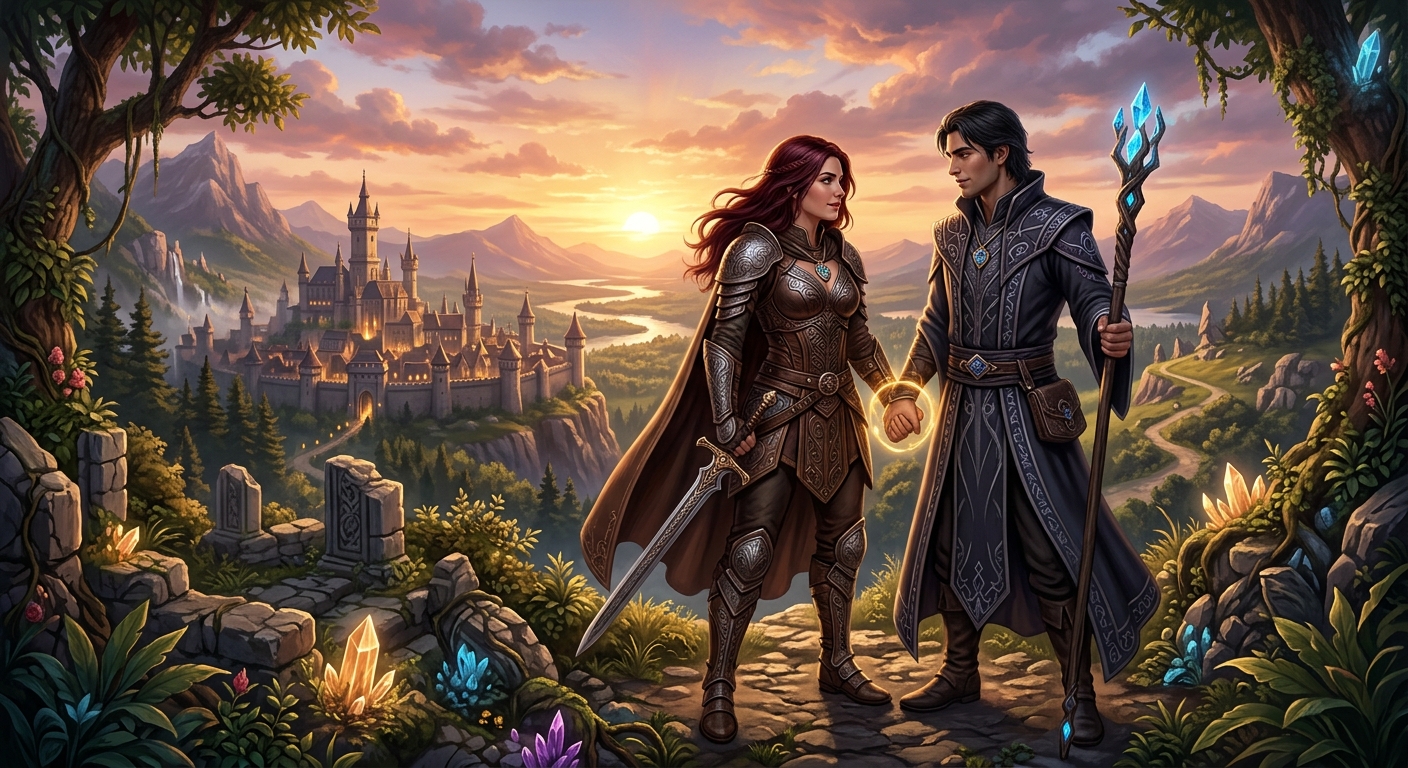
Romance in role-playing games has evolved far beyond a few flirty dialogue options and a fade-to-black cutscene. Modern RPGs weave relationships into character arcs, branching narratives, and even combat synergies. If you enjoy saving worlds and falling in love along the way, this guide highlights standout RPGs whose romance systems enrich both story and gameplay.
Drawing inspiration from a curated ranking of 2026 favorites, this article explores how different games handle love, friendship, and heartbreak, and why those systems matter. You will find epic party-based fantasy adventures, tactical strategy RPGs, and story-heavy space operas—all united by companion relationships that actually feel meaningful.
Why Romance Systems Matter in RPGs
Romance mechanics are more than fan service. In well-designed RPGs, they can:
- Deepen characterization: Romantic arcs reveal fears, hopes, and backstories that main quests might never touch.
- Raise emotional stakes: Choices can hurt or protect characters you genuinely care about, intensifying key decisions.
- Shape role-play: Who your hero loves often reflects their values, identity, and moral alignment.
- Influence gameplay: Some titles tie romance to combat bonuses, loyalty missions, or unique endings.
Survey research on player motivations consistently finds that narrative and relationships are major drivers of engagement, especially in role-playing games. For example, the Entertainment Software Association reports that story and world-building are core reasons many players choose particular games.1 Romance systems slot neatly into that desire for emotional investment.
What Makes a Great Romance in an RPG?
Games approach romance in very different ways, but the most memorable systems usually share a few traits:
- Agency for all characters: Companions feel like full people with their own boundaries and desires, not rewards that unlock on a checklist.
- Consequences: Dialogue choices, quest decisions, and even how you treat other companions can affect whether relationships flourish or collapse.
- Integration with the main story: A good romance arc isn’t tacked on; it intersects with the overarching narrative or the world’s conflicts.
- Respect for diversity: Inclusive options—across gender, orientation, and race—help more players see themselves represented.
- Slow burn possibilities: Many players appreciate arcs that build over time through shared experiences, not instant confession scenes.
The games below use those principles in different ways. Some link romance to tactical positioning on a battlefield; others tie it to dialogue checks or companion approval meters. All of them reward players who take time to get to know their party members.
Overview of Featured RPGs With Romance
The titles below span multiple subgenres—tactical strategy, party-based fantasy, and space opera, among others—but they share a focus on companion relationships. In no particular order, this list includes:
- Big-budget cinematic adventures where relationships drive the main campaign
- Turn-based tactical RPGs with social-sim style bonding systems
- Classic-style fantasy epics whose romances recall the heyday of BioWare storytelling
- Newer interpretations that lean into player freedom and inclusive character creation
| Game Type | Romance Style | Notable Features |
|---|---|---|
| Party-based fantasy RPGs | Companion approvals, branching romance arcs | Choices affect loyalty, unique missions, and endings |
| Sci-fi space operas | Long-term relationship progression across missions | Romance influences climactic decisions and epilogues |
| Tactical strategy RPGs | Bond levels, support conversations, paired units | Relationship bonuses offer combat synergies |
| Indie narrative-focused RPGs | Dialogue-heavy, character-driven interactions | Multiple endings based on partner choices and values |
Fantasy Epics Where Love and Loyalty Drive the Party
Few setups are better suited to romance than the classic “ragtag group of adventurers” structure. Traveling together, facing danger, and making tough moral choices naturally builds intimacy—and conflict. The fantasy RPGs in this category usually allow you to recruit several companions, each with their own romance potential.
Deep Companion Romances in Modern Fantasy RPGs
Contemporary big-budget fantasy RPGs refine ideas pioneered by earlier titles like Dragon Age and Mass Effect. Many of them feature:
- Approval or affinity systems that track how your actions align with a companion’s values.
- Personal quests that reveal backstory and often act as gateways to deepening romance.
- Multiple romance candidates, including same-sex and non-human partners.
When these systems are well integrated, you get arcs that feel like full character stories rather than side content. For example, a companion might start hostile or guarded, gradually opening up as you make choices that challenge or support their worldview. This structure mirrors real relationship development, which is one reason players often cite emotional connections as a key factor in their long-term engagement with major RPG franchises.1
How Fantasy Romances Change the Story
Fantasy RPG romances can impact more than just campfire scenes. They may:
- Change who stands with you in climactic battles.
- Unlock unique endings where your partner’s fate is front and center.
- Drive intra-party drama if two companions dislike each other—or compete for your attention.
- Influence political alliances or faction outcomes if your love interest belongs to a rival group.
These ripple effects echo how relationships can alter a story in novels or television series. Narrative design research points out that players are more likely to remember and replay games where choices create visible changes in character relationships, not just cosmetic plot branches.2
Sci‑Fi Romances Among the Stars
Sci‑fi RPGs often use romance to explore questions about identity, alien cultures, and what it means to form bonds across differences. Long voyages, isolated starships, and advanced technology create settings ripe for slow-burn romances and intense loyalties.
Building Bonds Across a Galactic Campaign
Space-set RPGs typically feature a central hub—like a spaceship or space station—where you can return between missions to talk with companions. This loop supports romance in a few ways:
- Structured downtime: After each mission, you can check in on companions, ask about their reactions, and unlock new romance scenes.
- Progressive intimacy: Conversations often deepen step by step as trust builds and story milestones pass.
- High-stakes confessions: Moments before a major battle or point-of-no-return decision are classic setups for pivotal romance scenes.
Some series allow relationships to carry over between installments, reflecting the idea of long-term partnerships evolving over time. This mirrors how serialized media like television develop romantic arcs across seasons.
Identity, Inclusivity, and Representation
Sci‑fi RPGs are well known for offering a range of relationships that include human, alien, and synthetic partners, often with gender and orientation options. While representation remains imperfect, these games have been part of broader changes in how LGBTQ+ relationships appear in mainstream media. Reviews and commentary from outlets such as the BBC have noted how inclusive depictions in games can help normalize diverse identities for large audiences.3
Mechanically, inclusive romance options usually appear as:
- Companions who are available regardless of the player character’s gender.
- Multiple player identity choices at character creation, including pronoun options in newer titles.
- Story beats that acknowledge, rather than minimize, the social implications of certain pairings in that universe.
Tactical and Strategy RPGs With Relationship Systems
Romance and relationship mechanics are no longer limited to cinematic, third-person RPGs. Tactical strategy games—especially those with large casts and turn-based combat—have increasingly embraced social systems that blur the line between dating sim and war story.
From Support Ranks to Paired Units
Many strategy RPGs employ a system where characters build support ranks by fighting near each other, sharing meals, or engaging in optional conversations. At higher ranks, these bonds may blossom into romance.
Common systems include:
- Support conversations: Short, often humorous or heartfelt scenes that reveal personality and history.
- Paired or linked units: Strong relationships may provide bonuses when units fight adjacent to each other.
- Generational systems: In some titles, romantic pairings can produce story-relevant children or successors in later chapters.
This fusion of tactics and relationships taps into what game researchers call “parasocial attachment”—the feeling of knowing and caring about characters despite the one-way nature of the relationship.4 That attachment can make risky tactical decisions feel more tense, because losing a unit means losing someone you have invested hours of story time into.
Academies, Houses, and Social Hubs
Several recent strategy RPGs structure their campaigns around a central academy or base where you manage relationships between missions. Activities might include:
- Training sessions that pair students or soldiers together.
- Shared meals and events that increase affinity.
- Choice-driven support scenes where you decide how to advise or comfort characters.
These systems encourage you to see your units not just as chess pieces, but as a group of young people growing, clashing, and occasionally falling in love under pressure. It’s a design that has significantly broadened the audience for tactical RPGs.
Classic-Style RPGs That Capture Old-School Romance Magic
While many modern titles chase cinematic spectacle, some RPGs deliberately look back to earlier eras for inspiration. These games might feature isometric perspectives, text-heavy dialogue, and turn-based combat—but they still present rich romance options.
Dialogue-Driven Affection and Reputation
Classic-style RPGs usually rely heavily on dialogue checks, reputation values, and reactive writing. Romance in these titles can feel more organic because:
- Your reputation with factions and moral choices may matter as much as flirting.
- Companions react strongly to your worldview, sometimes walking out—or attacking—if you cross their moral lines.
- Romance arcs are often tied to long, branching dialogue trees, with failure states if you ignore boundaries or push too hard.
These games can be especially satisfying for players who enjoy reading, subtle characterization, and slower-burn relationship development. The focus is less on cutscenes and more on feeling that your character’s personality genuinely shapes the relationship.
Indie and Experimental Takes on Romance in RPGs
Not all compelling relationship systems come from large studios. Smaller developers and indie teams frequently experiment with structure, tone, and representation in ways that big-budget games may avoid.
Breaking Away From Traditional Formulas
Indie RPGs might:
- Center the entire narrative on a single relationship, making every choice about how you treat one partner.
- Explore less-common dynamics such as polyamory or non-romantic but deeply intimate bonds.
- Mix genres, blending RPG progression with visual novel presentation or life-sim scheduling.
Because indie teams often draw on personal experiences, their portrayals of romance and identity can feel particularly authentic. Journalism and academic work on indie games has highlighted how these titles broaden the emotional range of the medium, including in areas such as queer representation and mental health.5
Tips for Players Who Love Romance in RPGs
If you want to get the most out of romance systems—regardless of which specific RPGs you play—these general strategies can help.
1. Take Time to Talk Between Quests
Most games lock romance progression behind optional conversations. Get into the habit of:
- Checking in with companions after major story beats.
- Exploring your base, ship, or camp regularly.
- Following up after personal quests to see how characters feel.
2. Pay Attention to Values and Boundaries
Romance success usually depends on understanding who a character is, not simply picking options with hearts next to them. Try to:
- Notice which decisions they approve or disapprove of.
- Listen when they voice discomfort or trauma; don’t push romance too quickly.
- Respect that some characters may be unavailable or prefer friendship.
3. Use Multiple Saves if You Want to Experiment
If you’re curious about different romances—or worried about messing up a relationship—keep several saves:
- One before big story decisions that may lock or unlock routes.
- One before tough dialogue choices when confessing or responding.
- Separate saves for radically different role-play styles.
4. Embrace Imperfect Outcomes
Some of the most affecting romances in RPGs end in tragedy, distance, or bittersweet compromise. Don’t feel compelled to reload every time things go badly; sometimes, the most memorable stories emerge from failure, miscommunication, or sacrifice.
Frequently Asked Questions About Romance in RPGs
Do romance options change combat or stats?
It depends on the game. In many party-based fantasy RPGs, romance primarily affects story scenes and endings. However, some tactical titles grant combat bonuses to pairs who have high relationship levels, and a few modern RPGs tie unique skills or missions to your romantic partner. Always check in-game tooltips or codex entries to see if bonds grant mechanical benefits.
Are there RPGs with asexual or aromantic representation?
Representation is still limited but slowly improving. Some recent titles include characters who are uninterested in romance or whose dialogue explicitly frames them as asexual or aromantic. Others allow the player to simply opt out of romance entirely without penalty, maintaining friendships instead. When in doubt, look for developer interviews or official character profiles, as studios increasingly discuss these identities openly.3
Can I romance more than one character at a time?
Some RPGs let you pursue multiple romances simultaneously, while others impose consequences like breakups, jealousy scenes, or even party conflicts if you try. A few titles allow consensual polyamory, but that’s still rare. If you care about staying in-character, consider how your hero’s values align with monogamy, polyamory, or casual relationships.
Do choices from earlier games in a series affect romance?
In certain franchises, yes. Your save data from earlier entries may carry over, preserving existing relationships or affecting who is romantically available. This continuity can make long-running romances more satisfying, since you see characters evolve across multiple games.
Is it possible to finish these games without any romance?
Absolutely. While this article focuses on titles with notable romance systems, nearly all are designed to be completed without romantic entanglements. You can keep relationships strictly platonic and still experience rich character arcs and full endings.
Final Thoughts: Why Romance Keeps Players Coming Back
Whether you’re leading a band of mercenaries across a war-torn continent or piloting a starship beyond known space, romance systems can transform an RPG from a series of battles into a genuinely personal journey. They give you reasons to agonize over choices, cheer during character breakthroughs, and replay games years later just to see a different relationship unfold.
As narrative tools, romances help games tap into the same emotional territory as novels and television dramas—attachment, vulnerability, grief, and joy. Research on storytelling and media engagement repeatedly shows that audiences are drawn to characters they can care about and identify with.2,4 In RPGs, romance is one of the most direct ways to forge that bond.
Whether you prefer sweeping fantasy epics, tightly written indie stories, or tactical sagas with bonded units, the current landscape offers more ways than ever to adventure and fall in love at the same time. And as developers continue to experiment with inclusivity and new relationship models, future RPGs are likely to push romance mechanics—and emotional storytelling—even further.
References
- 2023 Essential Facts About the Computer and Video Game Industry — Entertainment Software Association. 2023-08-01. https://www.theesa.com/resource/2023-essential-facts-about-the-computer-and-video-game-industry/
- Rules of Play: Game Design Fundamentals — Katie Salen & Eric Zimmerman (MIT Press). 2004-09-01. https://mitpress.mit.edu/9780262240451/rules-of-play/
- How video games are tackling LGBT+ issues — Ben Hunte, BBC News. 2019-01-16. https://www.bbc.com/news/newsbeat-46857575
- Understanding Parasocial Relationships — Donald Horton & R. Richard Wohl, Psychiatry. 1956-08-01. https://psycnet.apa.org/record/1957-06930-001
- Queerness and Video Games: New Critical Perspectives — Adrienne Shaw & Bonnie Ruberg (eds.), MIT Press. 2023-02-07. https://mitpress.mit.edu/9780262545037/queerness-and-video-games/
Similar Articles





Read full bio of Sneha Tete