Where Winds Meet Best Builds Guide
Master weapons, stats, Mystic Arts, and roles to craft powerful, flexible builds in Where Winds Meet’s sprawling wuxia sandbox.
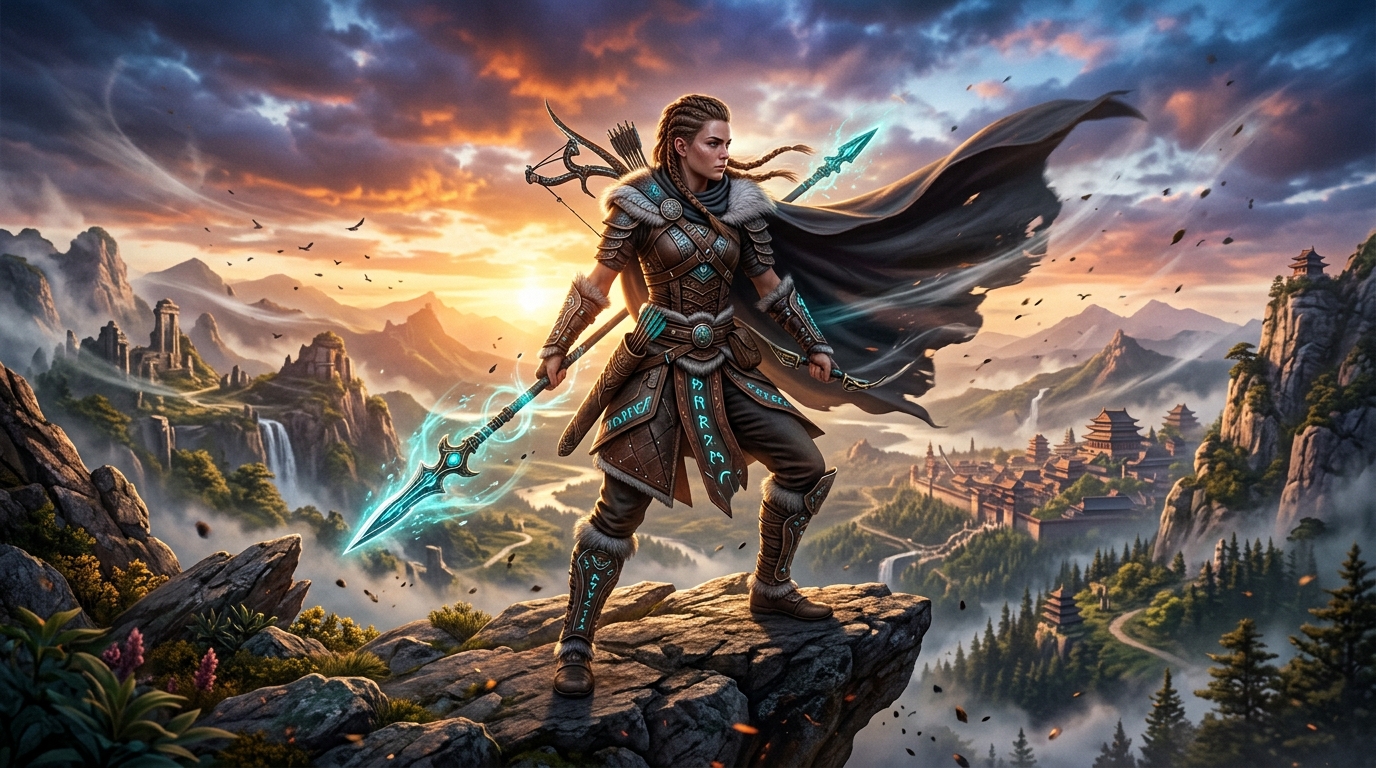
Where Winds Meet Best Builds Guide: Weapons, Roles, and Mystic Arts
Where Winds Meet is a sprawling wuxia action RPG that mixes single-player storytelling with MMO-style online systems. Because it offers flexible weapons, Mystic Arts, and role choices, there is no single “perfect” build. Instead, the game encourages you to experiment and tailor your character to the content you enjoy: story quests, group dungeons, open-world bosses, PvP duels, or large-scale battles.
This guide breaks down how to think about builds from the ground up. You will learn recommended weapon pairings, stat and talent priorities, Mystic Arts synergies, and practical PvE and PvP setups that you can adapt as you progress.
Understanding the Core Build System
Before diving into specific loadouts, it helps to understand how different systems in Where Winds Meet interact. Nearly every build you create will revolve around the following pillars:
- Weapons: You can equip two weapons and swap between them in combat. Each weapon family has its own moveset, strengths, and role.
- Stats and Talents: Leveling grants points for passive boosts (such as attack, defense, or resource generation) and unlocks build-defining perks like extra Mystic Art slots.
- Mystic Arts: Powerful cooldown-based abilities you can mix and match, used for damage bursts, crowd control, mobility, buffs, and puzzle-solving.
- Roles/Lifestyles: Non-combat roles (such as healer or scholar) plus more combat-focused specializations that add utility, support, or economic bonuses.
- Gear and Enhancement: Weapon quality, armor sets, and upgrades that multiply your chosen playstyle.
The strongest builds do not just chase raw damage numbers. Instead, they combine a clear combat role (burst damage, sustained DPS, control, support, or hybrid) with weapon and Mystic Art choices that reinforce that role.
Weapon Archetypes and Playstyle Identity
Each weapon line has a distinct feel. While exact names and numerical values may change with patches, you can group weapons into broad archetypes and think about what they bring to a build.
| Weapon Type | Core Strengths | Typical Role |
|---|---|---|
| Swords & Twin Blades | Fast combos, strong single-target damage, decent mobility | Primary DPS, duelist |
| Spears | Long reach, good balance of offense and safety | All-rounder DPS, frontline skirmisher |
| Fans & Umbrellas | Ranged pressure, utility, crowd control options | Support DPS, kiter, control |
| Bows | High ranged burst, precision, picks off priority targets | Ranged DPS, PvP finisher |
| Rope Darts & Exotic Weapons | High mobility, displacement, stylish combos | Assassin, disruptor |
Because you can carry two weapons at once, most builds combine a “primary” weapon that matches your main role with a “secondary” that covers a weakness. For example, a sword-focused melee DPS may pair with a bow for ranged options, or a spear user might carry umbrellas to add defensive utility.
Stat and Talent Priorities for Strong Builds
As your character levels up, you invest in a talent tree made largely of passive bonuses. The specifics differ between characters and patches, but most offensive builds care about similar themes:
- Offense: Flat attack, critical rate, critical damage, or bonus damage to specific enemy types.
- Survivability: Maximum health, damage reduction, block/dodge bonuses, or self-healing.
- Resource Management: Spirit generation (for Mystic Arts), cooldown reduction, or extra Mystic Art slots.
- Utility: Movement speed, improved crowd control duration, or bonuses to group support.
Instead of spreading points thinly, focus your early and midgame talents on creating a clear power curve:
- Secure survivability first: Take a few key defensive nodes so you do not get one-shot in higher-level zones.
- Unlock power multipliers: Prioritize nodes that give critical chance, extra Mystic Art slots, or major weapon-specific bonuses.
- Then round out utility: Once you can survive and hit hard, invest in movement and quality-of-life talents that make exploration and group play smoother.
The game’s design encourages experimentation. You can adjust talents over time as you unlock more Mystic Arts or change weapons, so do not be afraid to commit to a direction early and refine later.
Building Around Mystic Arts
Mystic Arts are at the heart of advanced builds. Many abilities scale strongly with your stats and weapon choices, so the most effective characters treat Mystic Arts as the centerpiece rather than an afterthought.
Key concepts when planning around Mystic Arts:
- Spirit Economy: Mystic Arts consume Spirit, which you generate through combat or refresh at special points in the world. High-cost, high-impact abilities are powerful but require talents or play patterns that keep Spirit flowing.
- Slot Management: Early on you have only a few Mystic Art slots. Unlocking additional slots through talents or progression significantly increases your flexibility and burst potential.
- Synergy: Some Mystic Arts boost damage of following attacks, apply crowd control, or inflict debuffs like vulnerability. Combining these in chains (CC → debuff → burst) yields much higher output than random use.
- Non-combat Uses: Certain abilities are designed for exploration and puzzle solving—freezing targets, creating platforms, or manipulating environmental objects. Keeping at least one utility Mystic Art can unlock secrets and extra rewards.
A good rule of thumb is to dedicate your slots as follows and adjust as needed:
- 1–2 slots: High-damage burst abilities or core combo extenders.
- 1 slot: Defensive or mobility tool (dash, barrier, or clutch heal).
- 1 slot: Utility or crowd control, especially for group content.
Foundational Early-Game Build Template
When you first start Where Winds Meet, you will not have access to the full suite of weapons, Mystic Arts, and roles. Instead of chasing advanced setups, focus on a simple template that will carry you through the story and early online content.
Suggested Early Weapons
- Primary: Sword or Twin Blades – fast, forgiving, and strong in one-on-one encounters and small groups.
- Secondary: Spear or Umbrella – adds reach and defensive options, making it easier to fight varied enemy types.
Early Talent Emphasis
- Take health and basic defense nodes to avoid frustrating deaths while learning bosses.
- Pick up attack and crit nodes that affect basic weapon attacks and simple combos.
- Invest in at least one Spirit-related node so you can use Mystic Arts consistently in longer fights.
Early Mystic Art Setup
- One direct-damage Art (such as a powerful slash or thrust) to end combos.
- One mobility or defensive Art (dash, shield, or counter) to bail you out of danger.
- If you have a third slot, a crowd control Art for interrupting elites or controlling groups.
In early game, your priority is familiarity with animations, timing, and enemy attack patterns. Once you can consistently survive and manage your Spirit, you are ready to specialize.
High-Damage Wuxia Duelist Build
This build focuses on single-target burst and mobility, ideal for boss fights, duels, or content where killing high-priority targets quickly is key.
Weapons
- Primary: Twin Blades or Sword (fast melee DPS)
- Secondary: Rope Dart or Bow (gap-closing or finishing fleeing enemies)
Key Talents
- Critical Rate and Critical Damage: Emphasize talents that increase crits on combo finishers or after dodging.
- Offensive Mystic Art Slots: Unlock extra slots to chain multiple high-damage Arts.
- Spirit Generation on Hit: Ensures you can cycle your abilities without running dry.
Mystic Art Synergy
- Opener: A gap-closing or dash Art to initiate from range while dodging projectiles.
- Combo Enhancer: An Art that temporarily buffs damage or speeds up attacks.
- Finisher: A high-damage strike you save for windows when the boss is staggered or vulnerable.
- Emergency Defense: A parry or short invulnerability Art for dangerous telegraphed attacks.
Gameplay loop: engage with a dash, build Spirit with fast combos, apply your damage buff, then unleash your finisher during a safe window. In PvP duels, weaving in short dashes and counters is crucial; players can punish predictable combo strings, so vary your timing.
Control-Oriented Support Build
For group dungeons and world bosses, teams benefit greatly from a character who can keep enemies contained, buff allies, and offer clutch heals or shields. This build emphasizes staying alive and enabling your party.
Weapons
- Primary: Fans or Umbrella (ranged and defensive utility)
- Secondary: Spear (for reach when you must engage in melee)
Key Talents
- Health and Damage Reduction: You will be near the action, so durability matters.
- Cooldown Reduction: More frequent access to heals, shields, and control.
- Group Utility Bonuses: Talents that strengthen buffs or extend crowd control duration.
Mystic Art Synergy
- Hard CC: A stun, root, or knock-up to interrupt bosses or lock down dangerous mobs.
- Team Protection: Shield, damage reduction field, or group heal Art.
- Debuff: An Art that lowers enemy defenses or increases damage taken from allies.
- Mobility: Escape or repositioning Art to stay at optimal range.
Gameplay loop: watch enemy telegraphs and ally positions, then preemptively apply control or shields. Saving a CC Art for critical moments—like preventing a devastating boss area attack—has more impact than using it on cooldown.
Open-World Explorer and Solo Specialist
Where Winds Meet’s world is packed with side quests, puzzles, and secrets. A flexible solo build helps you handle varied combat encounters while also interacting with environmental challenges.
Weapons
- Primary: Spear (balanced offense and reach)
- Secondary: Bow or Fan (for ranged enemies, flyers, and safe pulls)
Key Talents
- Moderate Offense and Defense: Aim for generalist talent lines that boost both survival and damage.
- Movement Speed and Stamina: Faster traversal means quicker questing and easier repositioning in fights.
- Spirit Economy: Enough Spirit generation to use utility Mystic Arts for puzzles.
Mystic Art Synergy
- Area Damage: An Art that clears grouped enemies quickly during world events or ambushes.
- Self-Sustain: A heal-over-time or lifesteal Art to cut down on potion use.
- Exploration Utility: At least one Art with environmental interaction (such as freezing or lifting objects).
- Escape Tool: Short-range teleport, dash, or movement buff for disengaging from overwhelming fights.
This build favors adaptability over peak performance. You may not top damage charts in raids, but you will breeze through story content, treasure hunts, and solo challenges.
Online Mode, Roles, and Endgame Considerations
Online features such as guilds, dungeons, world bosses, and PvP arenas unlock as you progress. The game encourages you to adopt roles—like healer, scholar, or other specialties—that affect both how you fight and how you interact with NPCs and other players.
For endgame planning:
- Pick a focus: Decide whether you care most about PvE progression, PvP, or social/economic play, then refine your build accordingly.
- Coordinate in guilds: Guild groups benefit from complementary roles. If many members play DPS, consider pivoting into control or support.
- Gear intelligently: Upgrade weapons and armor that synergize with your main build rather than spreading materials across many items.
- Respect PvP differences: In competitive modes, burst, mobility, and crowd control matter more than pure PvE survivability. You may want a dedicated PvP loadout.
Because Where Winds Meet is an online game, balance changes are expected over time. Keeping a flexible mindset and maintaining a few archetype builds (one PvE-focused, one PvP-focused, one exploration-friendly) will help you adapt to updates.
Practical Tips for Refining Your Build
Once you have a basic build in place, incremental optimization can make a big difference.
- Test in controlled fights: Use repeatable encounters or training dummies to practice Mystic Art rotations and check if you are frequently capping on Spirit or sitting on cooldowns.
- Adjust for content level: If you are dying in two hits, shift a few talents to defense or add a defensive Mystic Art. If fights feel too slow, invest more in critical damage and burst tools.
- Watch other players: Observing how experienced players handle bosses or duels can inspire new weapon and Mystic Art combinations.
- Plan for progression: As you unlock stronger weapons or new Mystic Arts, periodically reassess your setup rather than sticking to your first build forever.
Frequently Asked Questions
Do I need different builds for solo and online play?
You can get by with one flexible build early on, but specialized setups become helpful later. A solo/open-world build focuses on self-sustain and general utility, while online group builds emphasize defined roles—such as burst DPS or crowd-control support. Keeping at least two saved loadouts is recommended once you unlock more systems.
Which weapon should beginners start with?
Swords and twin blades are generally the most forgiving for new players. Their combos are straightforward, they provide good damage without complex setups, and their mobility helps you learn boss patterns. Once you are comfortable, you can branch out to spears for more reach or exotic weapons like rope darts for advanced mobility.
Are Mystic Arts more important than raw stats?
Both matter, but Mystic Arts often provide the biggest spikes in performance when used well. Stats and talents amplify everything you do, but properly chained Mystic Arts can decide boss phases or PvP exchanges. Aim for a balance: enough stats and talents to survive and fuel your Arts, plus a carefully chosen set of Mystic Arts you know how to use effectively.
Is it worth investing in non-combat roles like healer or scholar?
Yes, if you enjoy group play or want broader interactions in the world. Non-combat roles often unlock unique dialogue options, quest solutions, and social features. In online activities, having a healer, controller, or support-focused character can make you highly sought-after for difficult content.
Can I recover from “bad” talent choices?
Where Winds Meet is designed as an evolving experience; you are not permanently locked into early decisions. While the exact respec mechanics may change with updates, expect systems that let you adjust talents and rearrange your build as you acquire new Mystic Arts, weapons, and gear. Treat early levels as an opportunity to discover what style you enjoy most.
References
- Where Winds Meet official store page — Steam / Everstone Games. 2024-10-10. https://store.steampowered.com/app/3564740/Where_Winds_Meet/
- Where Winds Meet — Metacritic overview — Metacritic. 2024-10-17. https://www.metacritic.com/game/where-winds-meet/
- Where Winds Meet review — Living out a wuxia fantasy — GamingTrend (D. Nichols). 2024-10-21. https://gamingtrend.com/reviews/where-winds-meet-review-living-out-a-wuxia-fantasy/
- Where Winds Meet Review – Living the Wuxia Dream — Wccftech (F. De Meo). 2024-10-23. https://wccftech.com/review/where-winds-meet-review-living-the-wuxia-dream/
- Where Winds Meet – Review In Progress — MMORPG.com (J. Parker). 2024-10-22. https://www.mmorpg.com/reviews/where-winds-meet-review-in-progress-2000136565
Similar Articles





Read full bio of medha deb